Wall Stabilization2026-10-20T15:40:09-05:00

Foundation Wall Stabilization & Repair in [Target Location] 

Legacy Supportworks' proven foundation wall stabilization and basement wall repair solutions reinforce failing walls, stop further movement and help protect your home for the long term.

What Is Foundation Wall Stabilization?

Foundation wall stabilization is the process of reinforcing bowing, leaning or cracking foundation walls to stop further structural movement. Based on the condition of the wall and what's causing the movement, stabilization may involve wall braces, anchors, carbon fiber reinforcement or other engineered systems designed to strengthen the wall and protect your home for the long term.

Every foundation wall is different, which is why there isn't a one-size-fits-all repair. A professional inspection pinpoints the cause of the movement and helps determine the right stabilization solution for your home.
Why Foundation Walls Bow, Lean and Crack

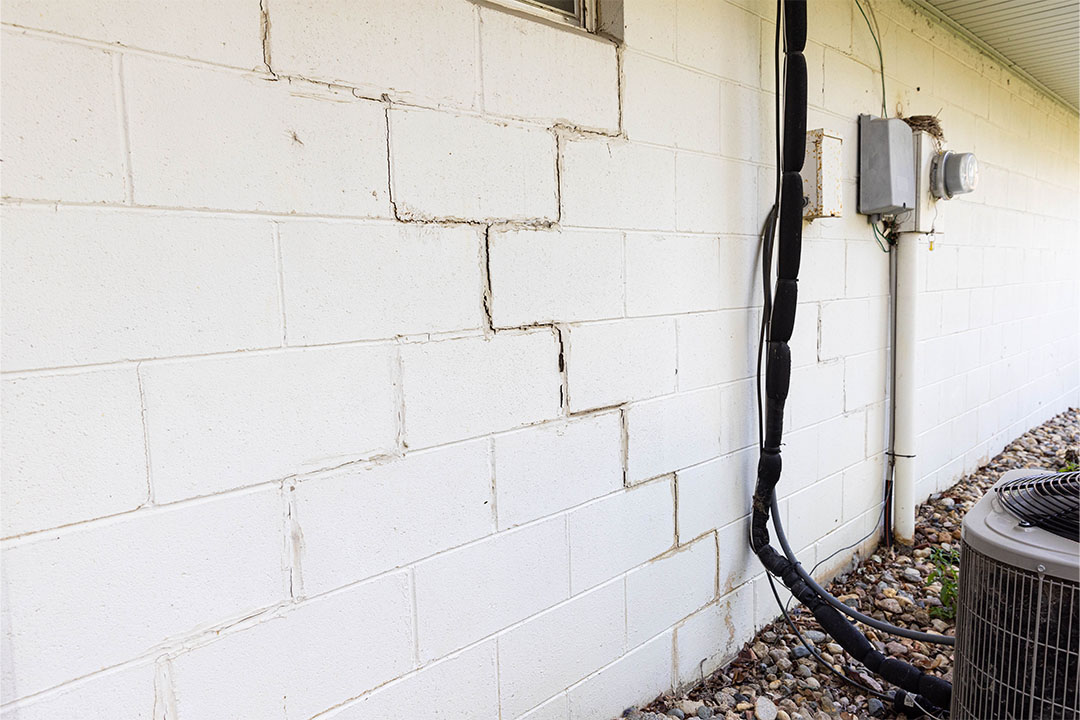
Foundation walls are built to withstand significant pressure, but changing soil and moisture conditions can gradually push them beyond their limits. As soils expand and contract with shifting moisture levels, hydrostatic pressure, poor drainage and seasonal freeze-thaw cycles place repeated stress on basement walls. Over time, that pressure may result in foundation wall cracks, bowing, leaning or other signs of structural movement.

Left unaddressed, basement wall movement usually worsens, increasing the risk of structural damage and more extensive repairs.

That’s why Legacy Supportworks focuses on identifying the cause of the movement, not just treating the symptoms. Our experienced foundation specialists perform a thorough inspection and recommend a customized repair plan using industry-leading wall stabilization systems. What you get is a long-term solution designed to stop further movement and protect your home.
Wall Stabilization Solutions Tailored to Your Home

  • For Walls Just Beginning to Bow or Move Inward

    CarbonArmor® Wall Reinforcing System

    CarbonArmor® reinforces foundation walls beginning to bow or shift inward under soil pressure. High-strength carbon fiber straps bond right to the wall to deliver lasting reinforcement while keeping a low-profile appearance. The system helps stabilize the wall, guard against additional movement and preserve valuable basement space.

    • Reinforces foundation walls showing early-stage bowing or inward movement
    • Helps stabilize walls and stop additional movement
    • Low-profile design protects usable basement space
    • Carbon fiber is stronger than steel for its weight
    • Won’t rust or corrode
    • Fast installation with minimal invasiveness
    • Can be concealed or painted over after installation
    • Backed by Legacy Supportworks‘s written warranty
  • For Walls Requiring Permanent Reinforcement

    PowerBrace™ Foundation Brace System

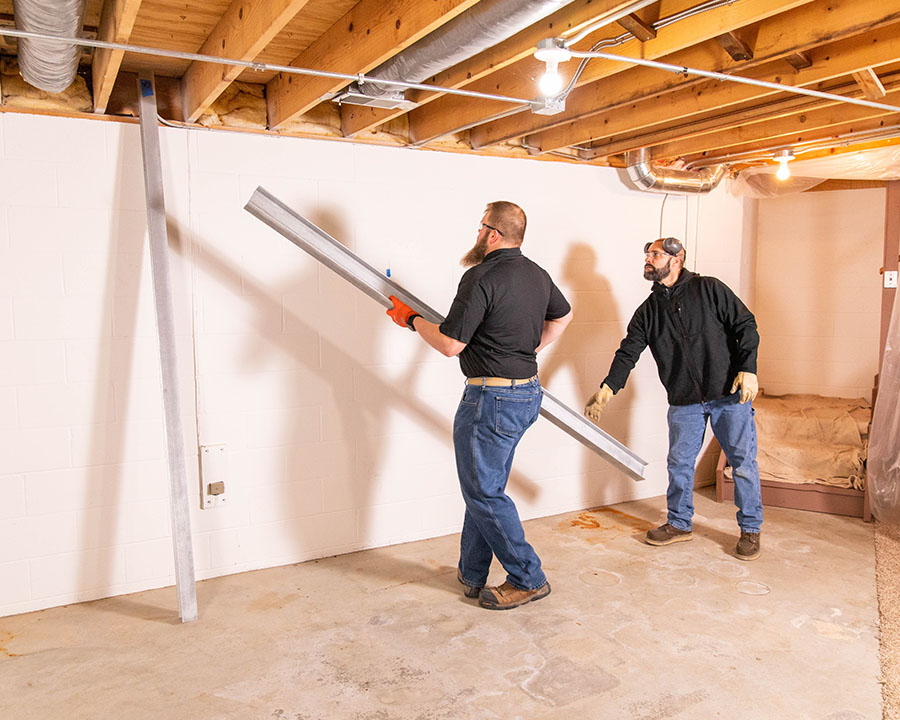
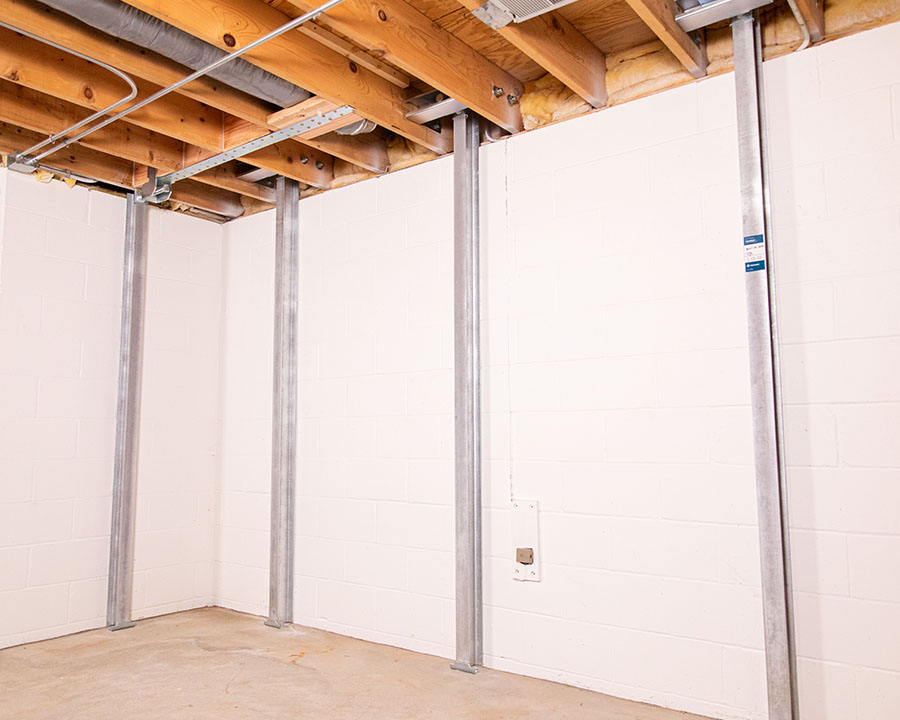
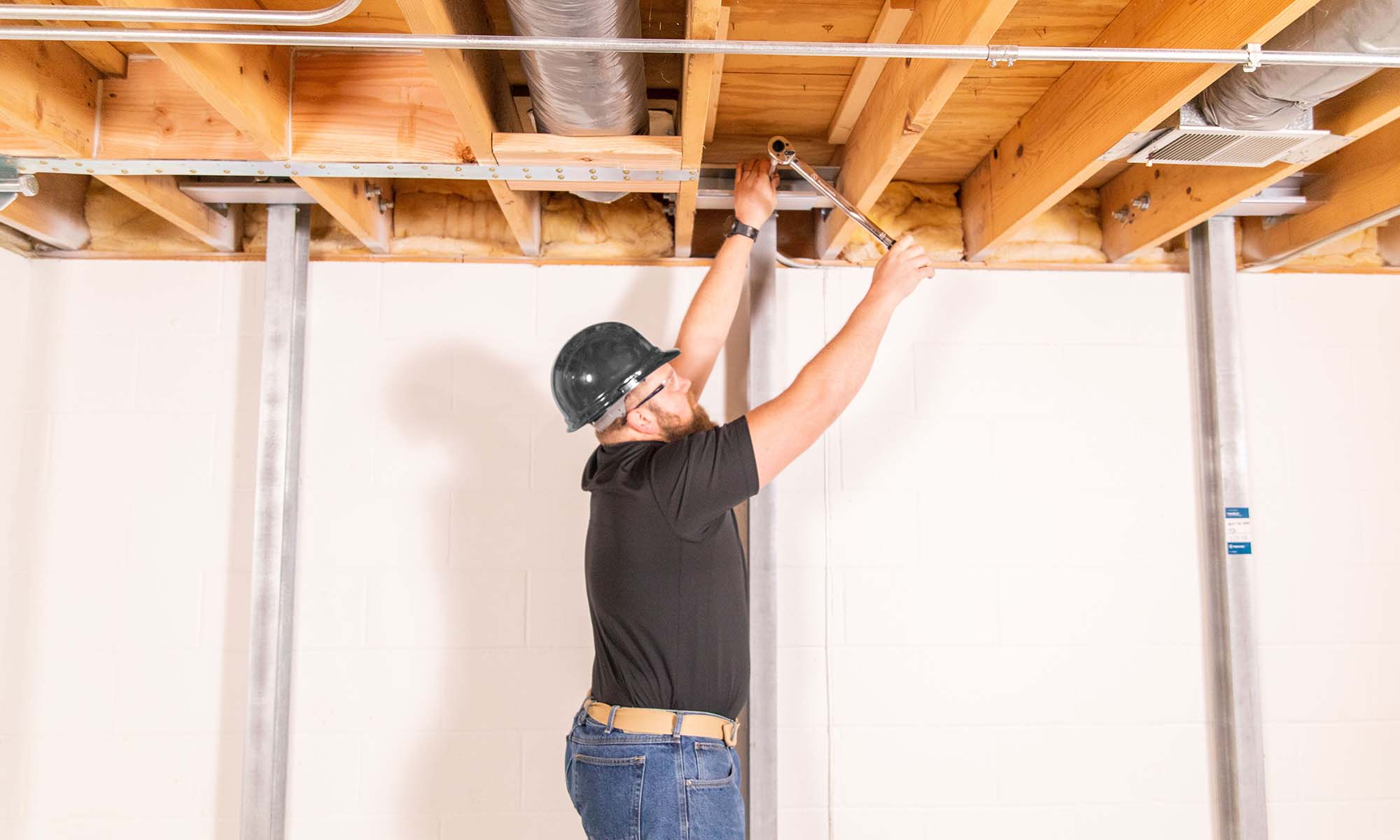
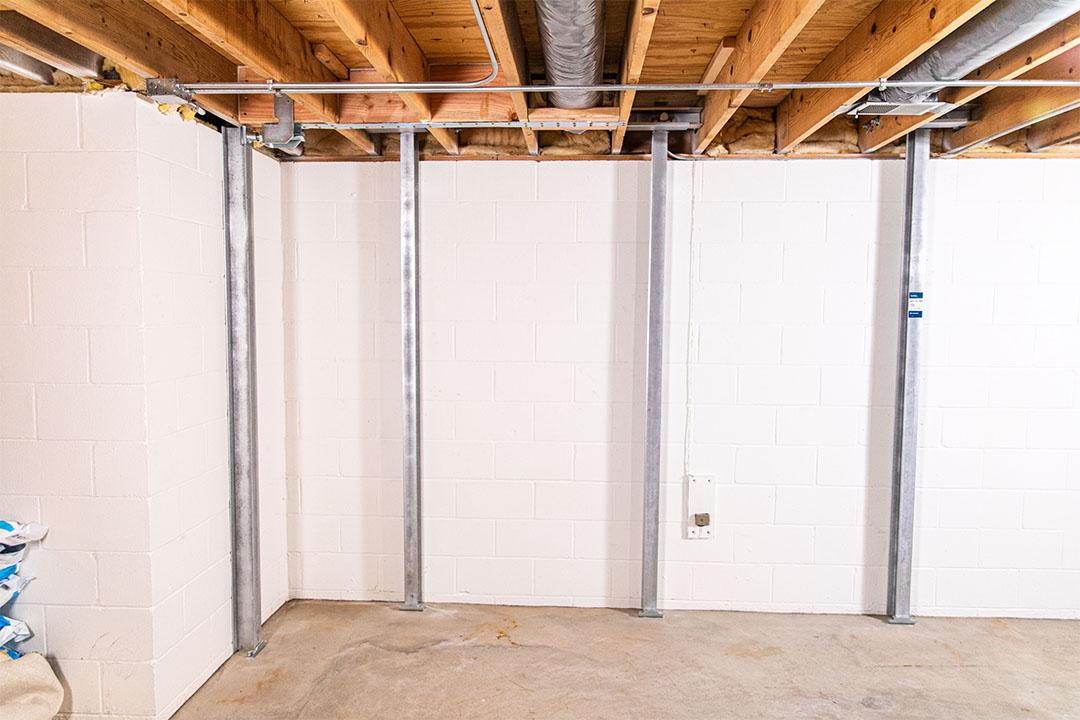
    The PowerBrace™ System reinforces foundation walls that are bowing, leaning or cracking under soil pressure. Steel beams are installed against the wall to stabilize it and help prevent additional movement. In many cases, the system can also be tightened over time to slowly improve wall alignment.

    • Permanently reinforces foundation walls
    • Stops additional bowing and wall movement
    • May help straighten walls over time
    • Adjustable as conditions permit
    • Durable galvanized steel build
    • Installed with minimal disruption
    • Backed by Legacy Supportworks‘s written warranty
  • For Foundation Walls That Bow or Lean Inward

    GeoLock® Foundation Wall Anchor System

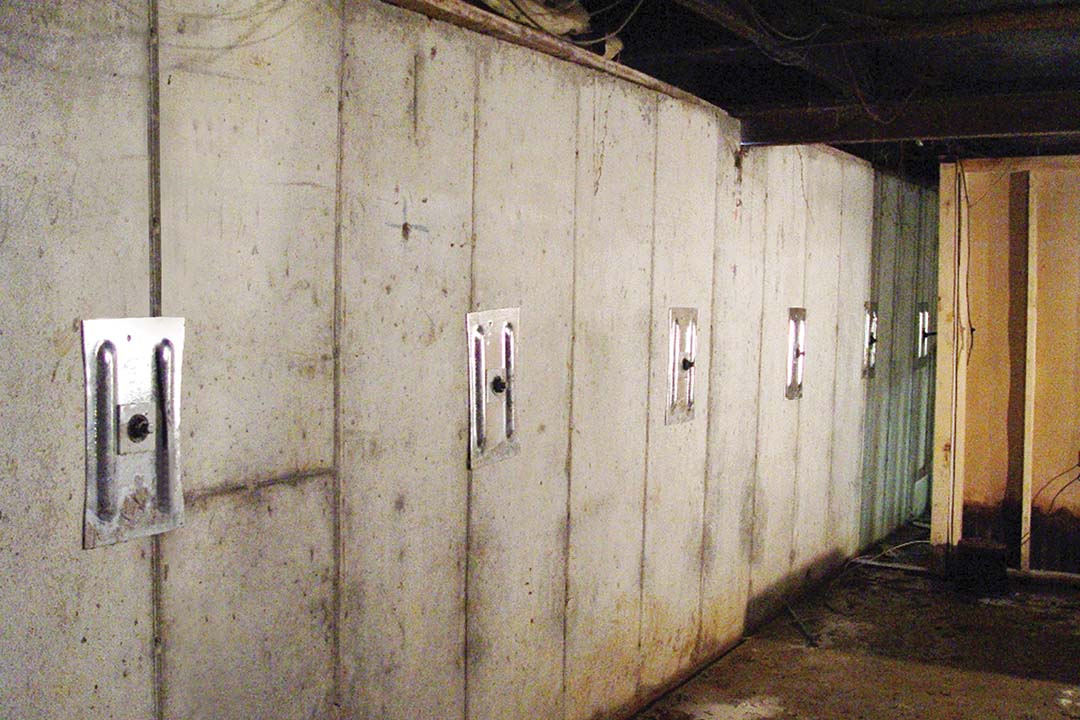
    The GeoLock® Foundation Wall Anchor System helps stabilize foundation walls that have bowed or leaned inward under pressure from the surrounding soil. Anchors are set both inside and outside the foundation to permanently reinforce the wall and, in many cases, allow for gradual straightening over time.
    • Stabilizes foundation walls that bow or lean
    • Helps limit further inward movement
    • Can improve wall alignment over time
    • Suited to block and poured concrete foundations
    • Minimal disruption to your home and landscaping
    • Professionally engineered for lasting performance
    • Backed by Legacy Supportworks‘s written warranty
  • For Foundation Walls with Severe Damage

    EverBrace® Wall Restoration System

    Some foundation walls are too far gone for traditional reinforcement alone. For walls that are severely bowed, crumbling or structurally compromised, the EverBrace® Wall Restoration System creates a new support system within the existing wall. In many cases, it provides a less disruptive alternative to complete wall replacement while delivering long-term stability.

    • Builds a new structural support system within the existing wall
    • Well suited to severely bowed, leaning or deteriorating foundation walls
    • Reinforces block, brick or stone foundations
    • Carries structural loads away from the damaged wall
    • Often avoids the cost and disruption of full wall replacement
    • Full-height steel components offer lasting reinforcement
    • Installed with minimal disruption in many finished basements
    • Engineered for long-term structural performance
    • Backed by Legacy Supportworks‘s written warranty
How It Works

Our Foundation Wall Stabilization Process

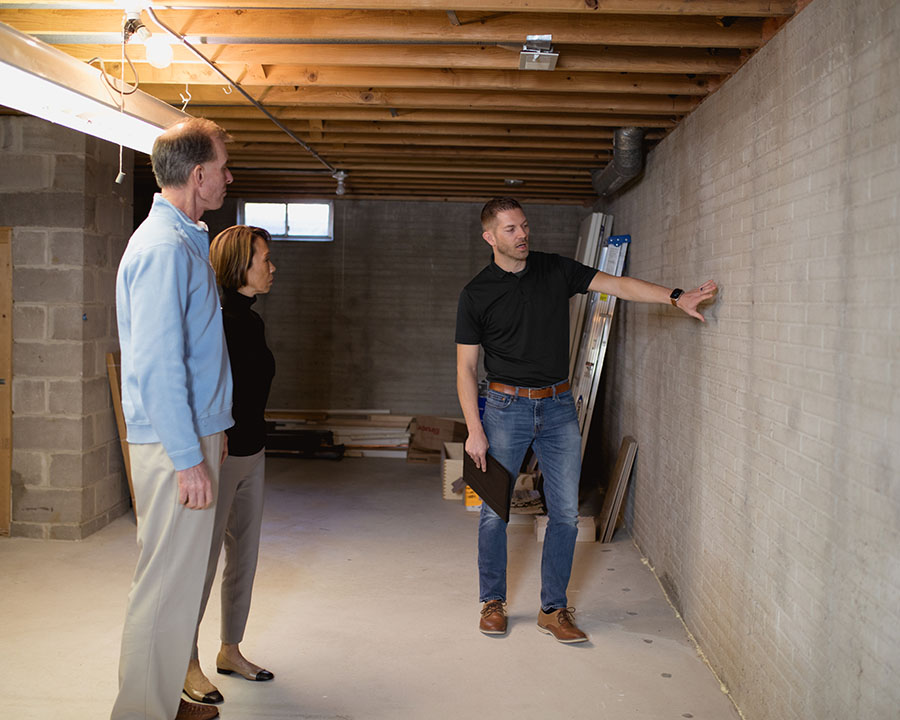
Every foundation wall repair starts with understanding the cause of the problem. Following a thorough inspection, your foundation specialist develops a customized repair plan designed to stabilize the wall, stop further movement and protect your home for the long term.
Symptoms

Common Signs Your Home May Need Foundation Wall Repair

Foundation wall problems often develop gradually, becoming more noticeable as pressure continues to build against your home’s foundation. If you’re seeing any of the following warning signs, it’s time to schedule a professional foundation wall inspection.

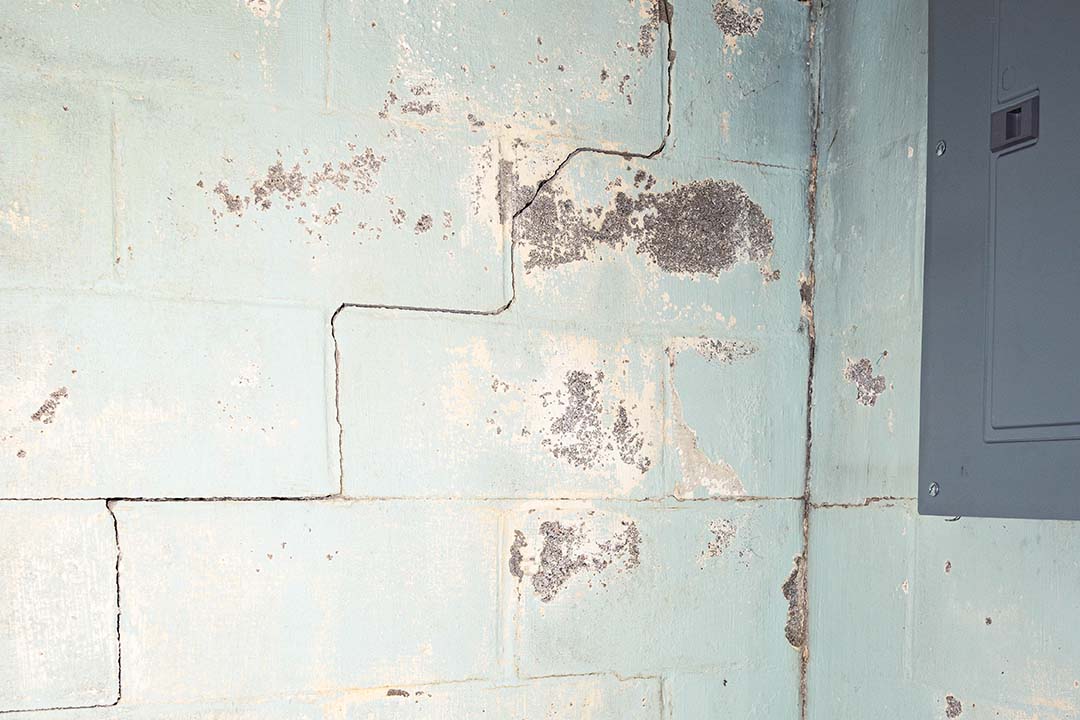
  • Horizontal cracks across basement or foundation walls
  • Stair-step cracks running through block, brick or masonry foundation walls
  • Foundation walls that bow, lean or bulge inward
  • Vertical or diagonal cracks that widen over time
  • Water seepage or damp areas through foundation wall cracks
  • Sticking doors and windows caused by foundation movement
  • Gaps between walls, ceilings or trim that widen as the structure shifts
Benefits

Why Choose Legacy Supportworks For Wall Stabilization

[body copy]

What To Expect

Ready to get started?

Schedule a free estimate to start your journey with Legacy Supportworks.

Schedule your inspection

Fill out our form or give us a call to book your inspection. Share what you’ve noticed so we can send the right expert to your home.

Full home
inspection

An expert will inspect the problem area and surrounding conditions, including soil movement, drainage, structural integrity, and any related concerns.

Clear explanation
of findings

We’ll walk you through what we’re seeing in easy-to-understand language so you know the root cause of the issue, not just the symptoms.

Review recommendations

If repairs are needed, we’ll outline your options, pricing, and timeline so you can make the best decision for your home.

Schedule your free inspection—

It'll only take
a minute

Meet with a trusted expert, and get
clear answers about your home.

"*" indicates required fields

1Your Info
2Schedule Your Inspection
3Review & Submit

Customer Information

Don't just take our word for it

See what our customers have to say about our work.

Before & after photos

Check out before and after photos from some of our completed projects.
  • Stabilizing a Crawlspace in Pampa, TX

    This home had crawlspace beams that were cracking and lacked stabilization. 

    Years of shimming had only been a “band-aid” fix and this customer was looking for a permanent solution.

    Our crew installed steel beams and steel smartjacks on engineered fill.

    The result was a permanently stabilized floor!

  • Concrete Repair in Spearman, TX

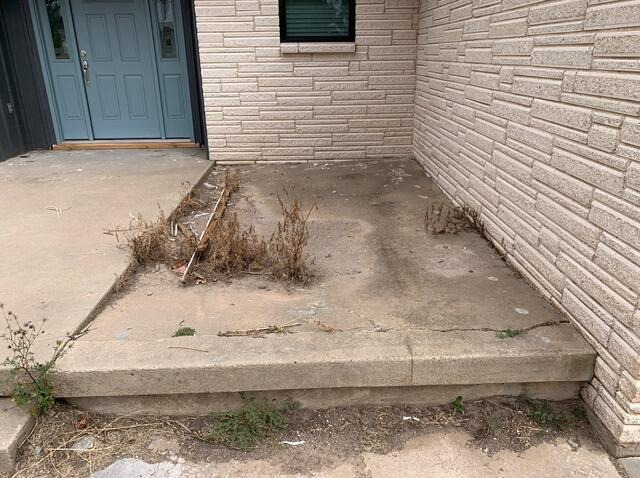
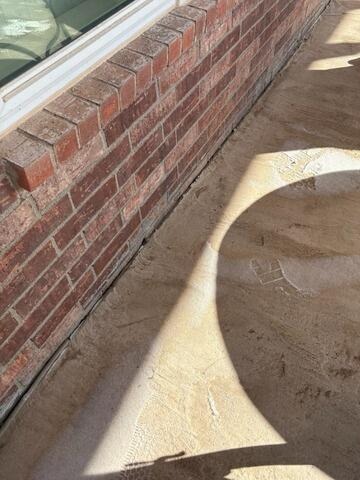
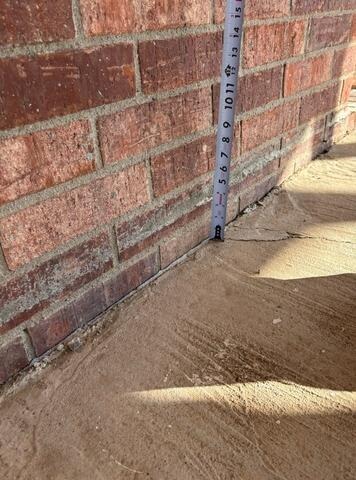
    A customer reached out after seeing a video of concrete lifting using injection methods and wondered if it could work for their front porch. Their home, built in 1968, features a large concrete porch with a section that originally had a planter between it and the house. At some point, the planter was covered with concrete, which has since sunk about 4 inches. Both sections measure approximately 8×12. While the porch itself was fine, they wanted a solution to lift the concrete over the old planter rather than starting from scratch. Legacy inspected the situation and provided a tailored solution to restore their home.

  • Foundation Repair in Guymon, Oklahoma

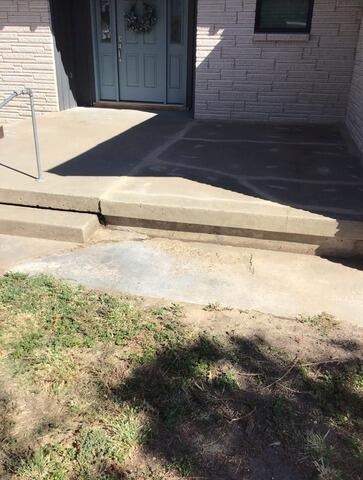
    Just four years after adding a first porch for relaxation, a homeowner in Guymon, OK found himself facing a disheartening problem – his beloved porch had settled a shocking 2 feet into the ground, taking his dreams of peaceful rocking chair afternoons with it. As depicted in our before photo, this alarming sinkage rendered the space unusable. To lift and stabilize the sinking structure, we deployed our trusted Push Pier system, meticulously engineered to provide strength and elevation from deep below the surface. The transformation is apparent in the after photo, where the porch now stands level and secure, promising many future years of comfort and stability. At Legacy Supportworks, reviving your home’s foundation to ensure lifelong enjoyment and safety is not just our mission—it’s our commitment to you.

Our service area

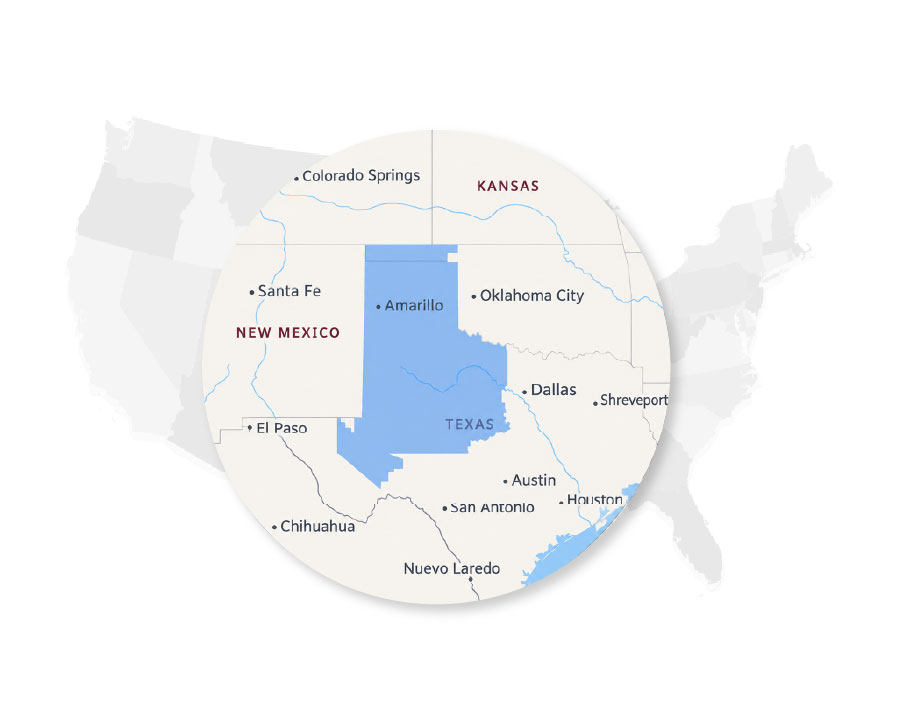
Legacy Supportworks is the local expert for Foundation Repair, Concrete Repair & Concrete Leveling and more. We proudly service Lubbock, San Angelo, and all of West Texas & Cimarron County, OK.

Frequently Asked Questions

How long does wall stabilization take? 2026-10-02T09:03:42-05:00

Most wall stabilization projects can be finished in as little as one to three days, although the exact timeline depends on the repair method, the extent of the damage and the size of the project. More extensive repairs or restoration systems can take longer. During your inspection, your foundation specialist will walk through the recommended repair process and provide an estimated project timeline before work begins. 

Does wall stabilization stop future movement? 2026-10-02T09:03:00-05:00

Professional wall stabilization systems are engineered to stop or significantly reduce additional wall movement by reinforcing the foundation and addressing structural weaknesses. While no repair can control future changes in soil or weather conditions, properly installed stabilization systems help protect the wall from continued movement under normal conditions. Correcting drainage and moisture issues alongside the repair can further improve long-term performance. 

What is the best wall stabilization system for my home? 2026-10-02T09:02:30-05:00

There isn’t a single solution that fits every foundation wall repair. The right foundation wall reinforcement system depends on the type of foundation, the amount of wall movement, the condition of the wall, surrounding soil conditions and what’s causing the problem. After a comprehensive inspection, a foundation specialist will recommend the repair system that’s best suited to stabilize your home and provide long-term protection. 

Can a bowing wall be repaired without replacing it? 2026-10-02T09:01:51-05:00

Yes, many bowing foundation walls can be permanently stabilized without full replacement. Depending on the severity of the damage, we may recommend wall anchors, steel braces, carbon fiber reinforcement or other engineered stabilization systems to stop further movement and strengthen the wall. However, walls with severe structural damage or significant deterioration may need more extensive restoration. A professional inspection is the best way to determine the right solution for your home. 

What causes basement walls to bow inward? 2026-10-02T09:01:18-05:00

Basement walls typically bow inward because of pressure from the surrounding soil. Heavy rain, poor drainage, hydrostatic pressure, expansive clay soils and seasonal freeze-thaw or wet-dry cycles can all increase the force pushing against foundation walls. Over time, that repeated pressure may cause walls to crack, lean or bow inward. Addressing drainage issues and stabilizing the wall early can help prevent more extensive structural damage. 

How do I know if my basement wall needs stabilization? 2026-10-02T09:00:18-05:00

Common signs a basement wall may need stabilization include horizontal or stair-step cracks, walls that bow or lean inward, bulging sections or visible movement over time. You might also notice sticking doors and windows, uneven floors or gaps around trim if the foundation is shifting. Wall movement typically worsens if left untreated, so it’s best to schedule a professional inspection as soon as you notice these warning signs. An experienced foundation specialist can determine the cause of the movement and recommend the appropriate repair. 

Related pages

Service Areas

Legacy Supportworks proudly serves Lubbock, San Angelo, and all of West Texas & Cimarron County, OK.

Resources

Access valuable resources to help keep your home healthy and your family safe.

The Thrasher Promise

At Thrasher, we pride ourselves on providing permanent solutions, and stand behind our work with industry-leading, fully transferable warranties and guarantees.

Schedule your free inspection today

Don’t let unanswered questions about your
home worry you any longer.
Go to Top