Mold, Bugs and Pests in Your Crawl Space
Musty smells, mold growth, insects or signs of pests in your crawl space can point to too much moisture or other conditions below your home. Legacy Supportworks evaluates crawl spaces throughout the Texas Panhandle and Northwest Texas to pinpoint what's contributing to the problem and recommend the right solution.
<a id="Symptoms">
Symptoms
Signs You Have Mold or Pests in Your Crawl Space
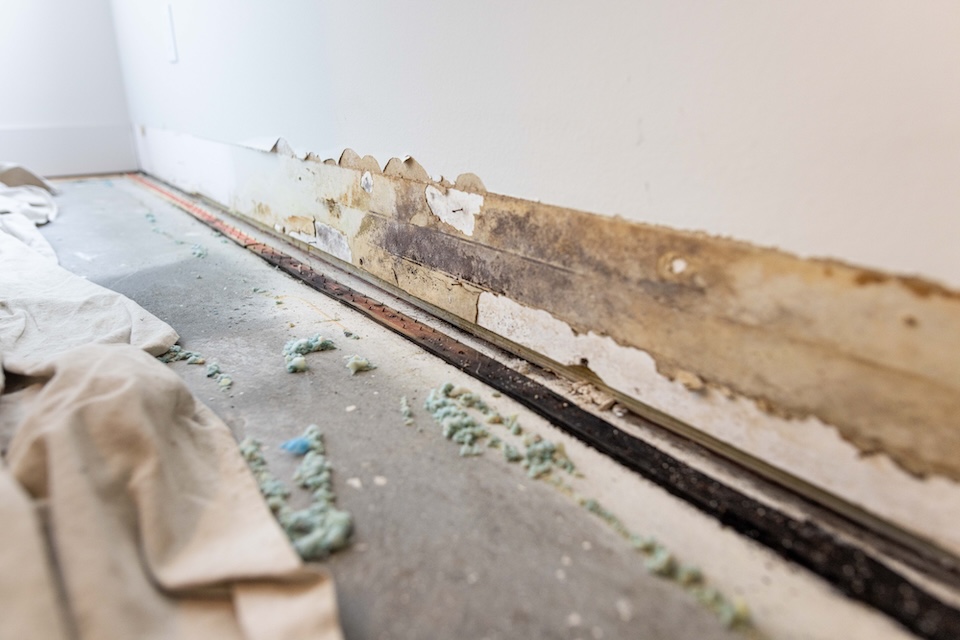
Signs of crawl space mold or pests can include musty odors, visible mold, insect activity, pest droppings and changes in the floors above. You may notice these problems inside your crawl space or elsewhere in your home. Keep an eye out for these common warning signs:

Musty Smells
Allergy and Respiratory Symptoms

Mold Showing Up in Living Areas

Bugs or Pest Droppings Near Vents and Access Points

Termites, Ants, Mice or Other Pests

Sagging or Sinking Floors
<a id="Causes">
Causes
Why Do Mold, Bugs and Pests Show Up in a Crawl Space?
Mold, bugs and pests commonly thrive in damp, humid crawl spaces. Exposed soil can give off ground moisture, while open vents may invite humid outdoor air in. When that moisture collects on wood, insulation and other materials, it can allow mold to grow and create conditions that attract insects and other pests.
High Crawl Space Humidity
Elevated crawl space humidity keeps wood and other materials damp, creating conditions where mold can grow and insects may thrive. As a general rule, indoor relative humidity should stay below 60%, ideally between 30% and 50%.
Moisture can enter from exposed soil, groundwater and humid outdoor air. When a crawl space stays damp and can’t dry out, mold is more likely to grow on wood and other organic materials. High humidity can also create a more favorable environment for moisture-loving insects and pests.

Water Inside the Crawl Space
Standing water or repeated seepage can keep your crawl space damp and lead to mold, wood damage and pest activity.
Water may seep through foundation walls, pool after heavy rain or rise up from wet soil beneath the home. Poor grading and drainage can worsen the problem. Without proper drainage and moisture control, crawl space materials can remain wet long enough for mold and other moisture-related problems to develop.

Condensation
Condensation can leave crawl space surfaces damp even when there’s no obvious leak or standing water.
Condensation forms when warm, humid air comes into contact with cooler surfaces such as ductwork, pipes, foundation walls or framing. Over time, recurring condensation can keep nearby wood and insulation damp, creating conditions that support mold growth and leaving the crawl space more inviting to certain insects.

Wet or Damp Insulation
Wet or sagging insulation can hold moisture in your crawl space and make it harder for the area to dry out.
Insulation can get wet from high humidity, condensation, plumbing leaks or water entering the crawl space. Once damp, some insulation may lose its effectiveness and sit wet against wood framing. That trapped moisture can contribute to mold growth, wood deterioration and conditions that attract insects and other pests.

Missing or Ineffective Vapor Barrier
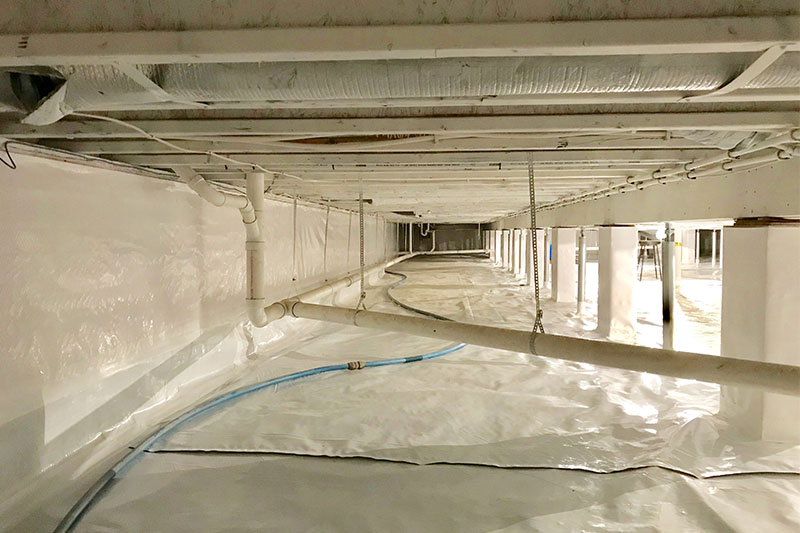
Without an effective crawl space vapor barrier, moisture from the soil below your home can keep entering the crawl space.
Even soil that looks dry can release water vapor into the crawl space. A properly installed vapor barrier helps isolate the home from ground moisture and is an important part of crawl space moisture control. Damaged, incomplete or poorly sealed barriers may leave sections exposed and allow moisture to keep coming in.

Open Crawl Space Vents
Open vents can allow humid outdoor air into your crawl space and may provide openings for insects and other pests.
Crawl space vents were traditionally intended to improve airflow, but during humid weather, outside air can introduce more moisture instead. Open or poorly sealed vents may also serve as entry points for insects and small pests. Sealing off these openings can be an important part of controlling the crawl space environment.

Plumbing Leaks and Poor Drainage
Leaking pipes and water collecting around your foundation can add continuous moisture to the crawl space.
Even a slow plumbing leak can keep wood, insulation and other materials damp. Outside the home, clogged gutters, undersized downspouts, poor grading and drainage challenges can direct rainwater toward the foundation. Locating and correcting these moisture sources helps prevent the damp conditions that keep mold and pest problems going.

Entry Points for Pests
Gaps and openings in your crawl space can give insects, mice and other pests a way into the area beneath your home.
Pests may get in through damaged vents, gaps around access doors, utility penetrations, foundation openings and other small spaces. Moisture, shelter and organic material can make the crawl space even more inviting once they get inside. Sealing entry points and controlling moisture can help make the space less welcoming to future pest activity.

How Crawl Space Mold & Pest Problems Progress

1. Moisture Creates the Conditions
Soil moisture, humid air, leaks or poor drainage can keep your crawl space damp. When wood, insulation and other materials stay wet, mold can begin to grow and the moist environment may start drawing insects and other pests.

2. Mold Growth and Pest Activity Can Increase
Without moisture control, mold can keep growing on damp organic materials. Insects and pests may also find food, shelter or nesting areas within the crawl space. Over time, you may notice stronger musty odors, more pest activity or signs of moisture-related damage.
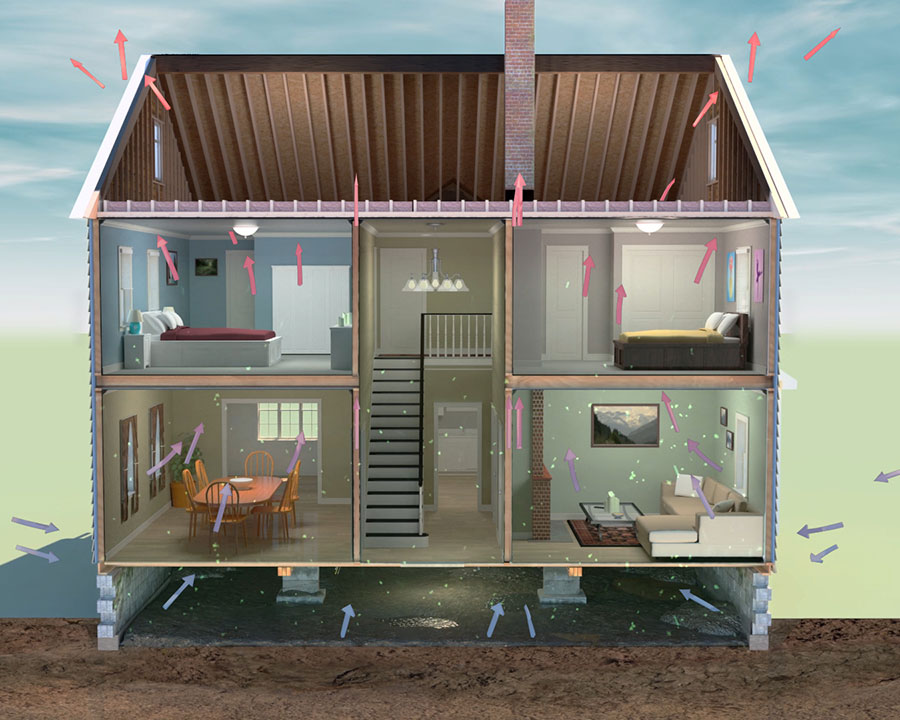
3. Problems Can Reach the Home Above
Crawl space problems don’t always stay under your home. Musty odors and airborne particles can move into living areas, while prolonged moisture, wood deterioration or certain pest activity can add to sagging floors and other damage that may eventually need repair.
<a id="Solutions">
How Legacy Supportworks Helps Prevent Crawl Space Mold and Pest Problems
Controlling crawl space moisture is key to creating an environment where mold and moisture-loving pests are less likely to take hold. Legacy Supportworks offers crawl space solutions that address ground moisture, water intrusion and excess humidity to help keep the space cleaner, drier and better protected.

MoldEx & LumberKote Treatments

Crawl Space Encapsulation

Crawl Space Vapor Barrier

Crawl Space Dehumidifier

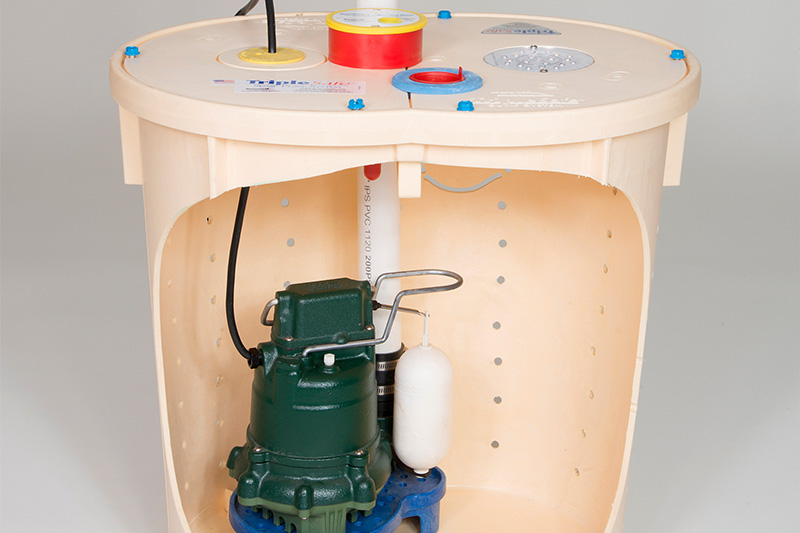
Sump Pumps
Why Quick Fixes Don't Solve the Problem

Bleach & DIY Mold Sprays
Scrubbing visible mold doesn’t correct the moisture that allowed it to grow. If high humidity, seepage or condensation continues, mold can return. Porous materials like wood can also be difficult to address with household cleaners alone. Long-term control starts with locating and correcting the source of excess moisture.

Adding More Crawl Space Vents
More ventilation may sound like the answer to a damp crawl space, but outdoor air isn’t necessarily dry. During warm, humid weather, vents can draw humid air into the cooler crawl space, where it may add to condensation and higher humidity. Sealing the space and controlling the environment is often a better approach.

Pest Control Alone
An exterminator can treat an active pest infestation, but treatment alone may not change the crawl space conditions drawing certain pests. Moisture, damp wood, debris and accessible openings can continue to make the space inviting. Depending on the problem, effective long-term control may require both pest treatment and crawl space improvements.

Fiberglass Insulation
Fiberglass insulation doesn’t manage the moisture entering a crawl space. When insulation becomes damp, dirty or begins to sag, it may lose effectiveness and can create sheltered spots for pests. Correcting ground moisture, humidity and air leakage helps create a cleaner, drier crawl space rather than only adding more insulation.
Benefits
Why Homeowners Trust Legacy Supportworks
Body copy specific to each dealer
<a id="What to expect">
What To Expect
Ready to get started?
Schedule a free estimate to start your journey with Legacy Supportworks.
Schedule your inspection
Fill out our form or give us a call to book your inspection. Share what you’ve noticed so we can send the right expert to your home.
Full home
inspection
An expert will inspect the problem area and surrounding conditions, including soil movement, drainage, structural integrity, and any related concerns.
Clear explanation
of findings
We’ll walk you through what we’re seeing in easy-to-understand language so you know the root cause of the issue, not just the symptoms.
Review recommendations
If repairs are needed, we’ll outline your options, pricing, and timeline so you can make the best decision for your home.
Schedule your free inspection—
It'll only take
a minute
Meet with a trusted expert, and get
clear answers about your home.

"*" indicates required fields
<a id="Testimonials">
Don't just take our word for it
See what our customers have to say about our work.
Legacy SupportWorks was referred to me by Bernie Sanders with Sir Speedy. When doors began to not close properly and there were noticeable gaps between the floor and molding, we knew it was time to get some foundation work done on our home. We shopped around and were pleased with the value and responsiveness of Legacy Support Works. I felt comfortable with them in my home, they delivered what they promised when they promised and left my home clean. From Tessa who made the initial contact, to the gentleman putting my carpet back in place, customer service was outstanding.
Sonja Gross | Amarillo, TX
Mike P. from Amarillo, TX hired Legacy Supportworks to help lift and level a sinking kitchen floor with PolyLevel™.In this video he talks about the experience with the company. “We were really impressed that he (the owner) was willing to get in there and work just like a laborer!”
Mike P. | Amarillo, TX
When Karen H. saw some cracks on her wall, she knew something was wrong. She first called a local contractor and they told her that the cracks were being caused by the trees in her backyard. Karen wasn’t convinced by their explanation so she decided to get a second opinion and called Legacy Supportworks. In this video she talks about the experience she had with the company and why she was confident to hire them as the right company for the job. “What we got from Legacy Supportworks was not just a company that will be there for us through the whole process, but be there for us through any other problems that we have in the future”, says Karen.
Karen H. | Lubbock, TX
Legacy Supportworks repaired several cracks in our foundation and stabilized a basement wall that was starting to bow. The process was smooth and the crew worked hard to get everything done right. I would definitely recommend them.
Idali C. | Follett, TX
Legacy Supportworks helped us lift and level our sinking patio with their concrete repair system. It was fast, affordable, and looks fantastic. I wish we had done this sooner!Marissa L.
Marissa L. | Darrouzett, TX
We live in Lipscomb and started noticing cracks in our walls and doors sticking. Shawn from Legacy Supportworks came out and walked us through the foundation repair process. He was very honest and informative. The crew did a great job and our house feels solid again.
Aiden L. | Lipscomb, TX
We had them come out for concrete leveling on our driveway and walkway. The difference is incredible! No more tripping hazards and it looks so much better. The team was friendly and efficient.
Willy R. | Canadian, TX
We had major cracks in our driveway and back patio. The concrete leveling process was quick, affordable, and looks amazing. I couldn’t believe the difference. The team was knowledgeable and made sure we understood the entire process. Great experience!
Jan T. | Farnsworth, TX
Owen and crew were extremely professional and the work corrected my door,window, and brick gaps.
Gary W. | Fritch, TX
We had water coming into our basement and called Legacy Supportworks for basement waterproofing.
Trey G. | Kerrick, TX
Legacy Supportworks fixed the sunken concrete around our shop, and it made a huge difference. No more puddles or cracks getting worse. Great communication from start to finish. Hard to find companies like this these days.
Becky P. | Amarillo, TX
<a id="Before & after photos">
Before & after photos
Check out before and after photos from some of our completed projects.


Stabilizing a Crawlspace in Pampa, TX
This home had crawlspace beams that were cracking and lacked stabilization.
Years of shimming had only been a “band-aid” fix and this customer was looking for a permanent solution.
Our crew installed steel beams and steel smartjacks on engineered fill.
The result was a permanently stabilized floor!
Concrete Repair in Spearman, TX
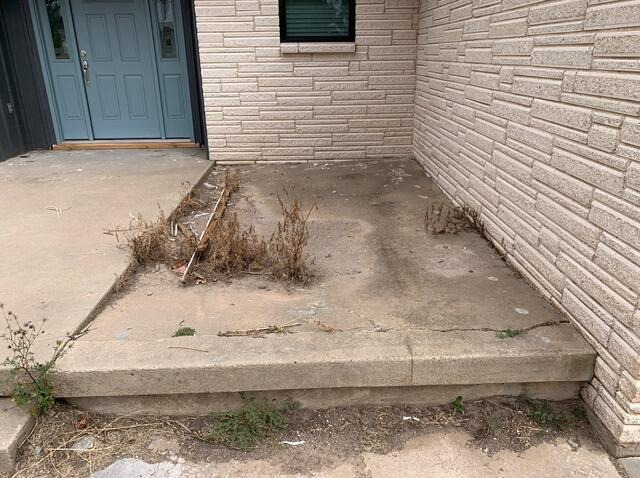
A customer reached out after seeing a video of concrete lifting using injection methods and wondered if it could work for their front porch. Their home, built in 1968, features a large concrete porch with a section that originally had a planter between it and the house. At some point, the planter was covered with concrete, which has since sunk about 4 inches. Both sections measure approximately 8×12. While the porch itself was fine, they wanted a solution to lift the concrete over the old planter rather than starting from scratch. Legacy inspected the situation and provided a tailored solution to restore their home.
Foundation Repair in Guymon, Oklahoma
Just four years after adding a first porch for relaxation, a homeowner in Guymon, OK found himself facing a disheartening problem – his beloved porch had settled a shocking 2 feet into the ground, taking his dreams of peaceful rocking chair afternoons with it. As depicted in our before photo, this alarming sinkage rendered the space unusable. To lift and stabilize the sinking structure, we deployed our trusted Push Pier system, meticulously engineered to provide strength and elevation from deep below the surface. The transformation is apparent in the after photo, where the porch now stands level and secure, promising many future years of comfort and stability. At Legacy Supportworks, reviving your home’s foundation to ensure lifelong enjoyment and safety is not just our mission—it’s our commitment to you.
Our service area
Legacy Supportworks is the local expert for Foundation Repair, Concrete Repair & Concrete Leveling and more. We proudly service Lubbock, San Angelo, and all of West Texas & Cimarron County, OK.

<a id="FAQs">
Frequently Asked Questions
Bleach alone is not a long-term fix for crawl space mold. Cleaning visible growth does not correct the humidity, water intrusion or condensation that let mold develop. Bleach may also be ineffective on porous materials such as wood. For lasting control, the source of excess moisture needs to be identified and addressed.
Crawl space encapsulation can help make the space drier, cleaner and less appealing to some pests, but it isn’t a substitute for pest control or rodent exclusion. Sealing up vents and other openings may cut down on some entry points, while active termites, rodents or other infestations should be evaluated and treated by an appropriate pest-control professional.
Crawl space mold treatment costs vary based on the size of the space, how far the mold growth has spread, accessibility and the moisture problem driving it. Encapsulation, drainage or humidity control may also be recommended to help keep mold from returning. Legacy Supportworks provides free crawl space inspections in the Texas Panhandle and Northwest Texas and a written estimate for recommended solutions.
Crawl space mold treatment generally addresses mold on affected surfaces along with the moisture conditions behind its growth. Professional mold remediation is a more specialized process that may involve containment, removal of contaminated materials and other procedures. The right approach depends on the extent of the mold and the conditions in your crawl space.
It depends on the problem, and sometimes you may need both. An exterminator can diagnose and treat an active pest infestation, while a crawl space repair company addresses moisture, humidity and other conditions that may be keeping the space inviting. Correcting those root conditions can be an important part of preventing repeat problems.
Not always, but too much moisture can make a crawl space more appealing to certain insects and pests. High humidity, damp wood, standing water and wet insulation can produce favorable conditions for pests. An inspection can help determine whether moisture, entry points or other crawl space conditions are contributing to the activity.
Common signs of crawl space mold are musty odors, fuzzy or discolored patches on wood and other surfaces, and persistent dampness or high humidity. Mold can appear in many colors, including white, gray, green or black. Color alone cannot tell you the type of mold or whether it poses a health risk.
Crawl space mold can be a concern, especially for people who are sensitive to mold. Mold exposure may trigger allergic reactions or irritate the eyes, skin, nose, throat and lungs. Because air can rise from your crawl space into your home, it’s important to address both the mold and the moisture conditions that allow it to grow.
Related pages
Service Areas
Legacy Supportworks proudly serves Lubbock, San Angelo, and all of West Texas & Cimarron County, OK.
Resources
Access valuable resources to help keep your home healthy and your family safe.
The Thrasher Promise
At Thrasher, we pride ourselves on providing permanent solutions, and stand behind our work with industry-leading, fully transferable warranties and guarantees.