What Is Crawl Space Wood Repair & Replacement?
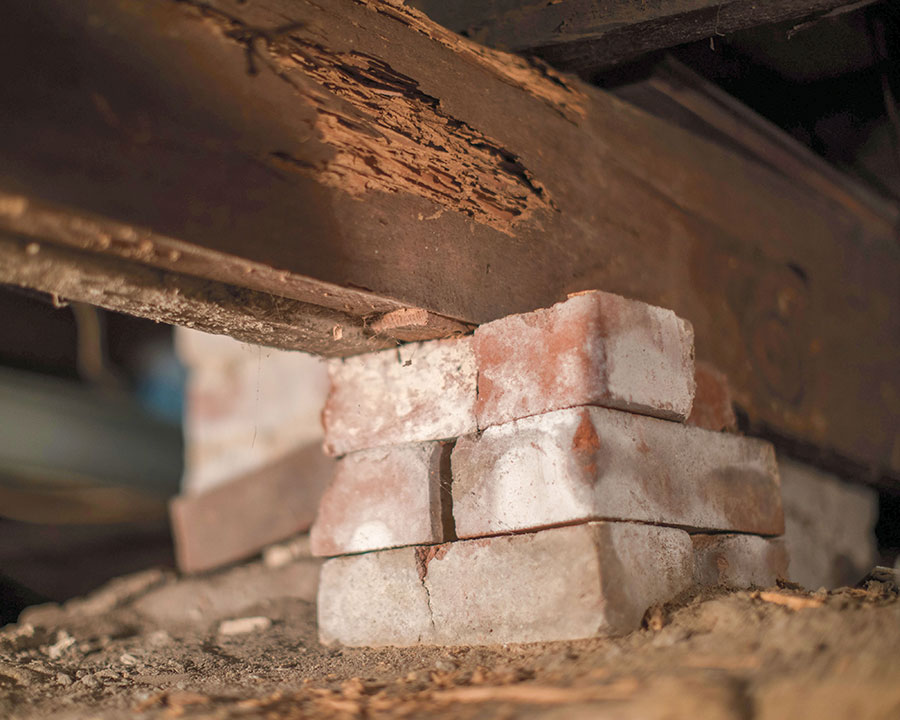
Crawl space wood repair brings strength back to structural wood that has been weakened by moisture, fungal decay or insect damage. Depending on the condition, floor joists, beams, sill plates, rim joists or subfloor can be reinforced, repaired or replaced.
But repairing damaged wood is only part of the solution. The moisture conditions contributing to deterioration also need to be addressed to help keep future damage from returning.

Symptoms
Signs Your Crawl Space Needs Wood Repair
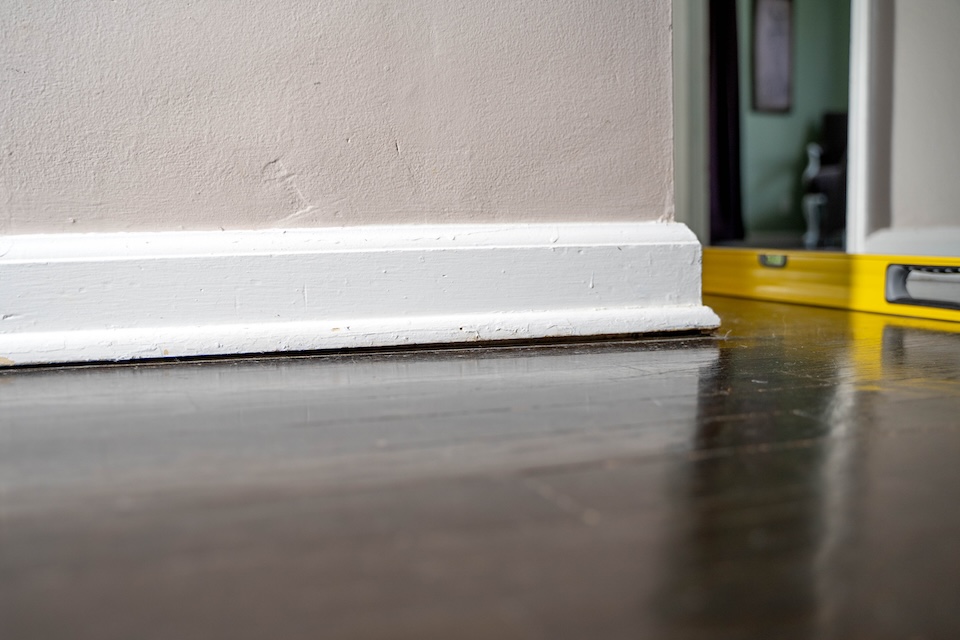
You’ll often notice problems inside your home first, such as soft, bouncy or sagging floors, sticking doors and windows or cracks in drywall. Lingering musty odors can also point to excess moisture beneath your home. Inside the crawl space, warning signs include standing water, visible mold or fungal growth, wood that looks discolored or crumbling and joists and beams that feel soft or weakened.
Our Crawl Space Wood Repair & Replacement Solutions
Strengthen weakened joists without replacing the whole floor system
Floor Joist Sistering & Reinforcement
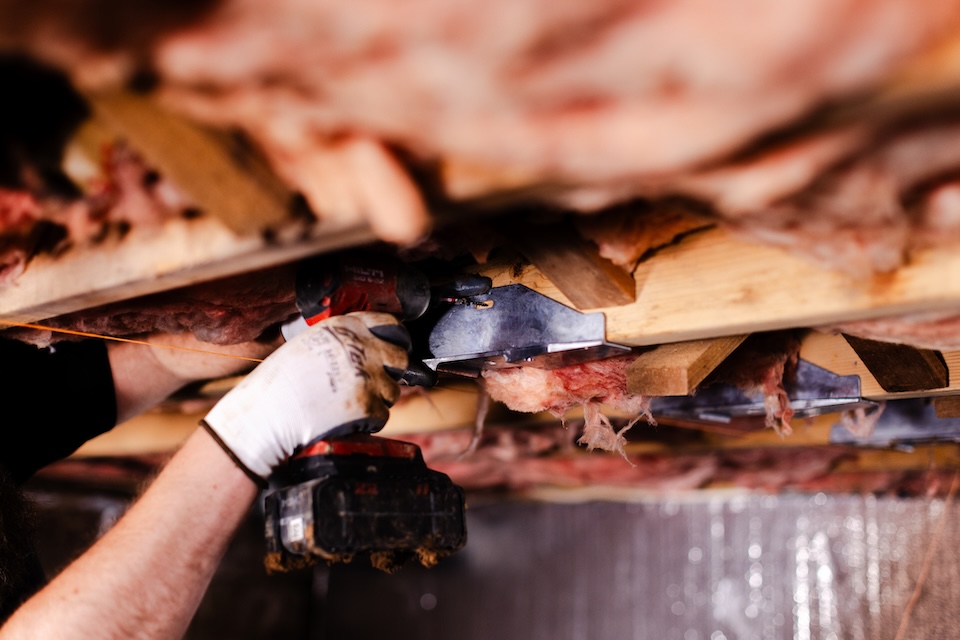
When a floor joist is damaged but the surrounding structure can still be repaired, a new joist can be installed alongside it to reinforce the weakened area. Known as sistering, the method strengthens the floor system without replacing framing that’s still serviceable.
Add permanent support beneath weakened beams and floor joists
Crawl Space Support Jacks
When weakened framing contributes to sagging or bouncy floors, crawl space support jacks can deliver additional support beneath beams and floor joists. Depending on the condition of the wood and surrounding framing, they may be used alongside wood repairs to stabilize the floor system and, when conditions allow, help bring sagging areas back toward level.

Address the conditions that cause wood to deteriorate
Crawl Space Moisture Control
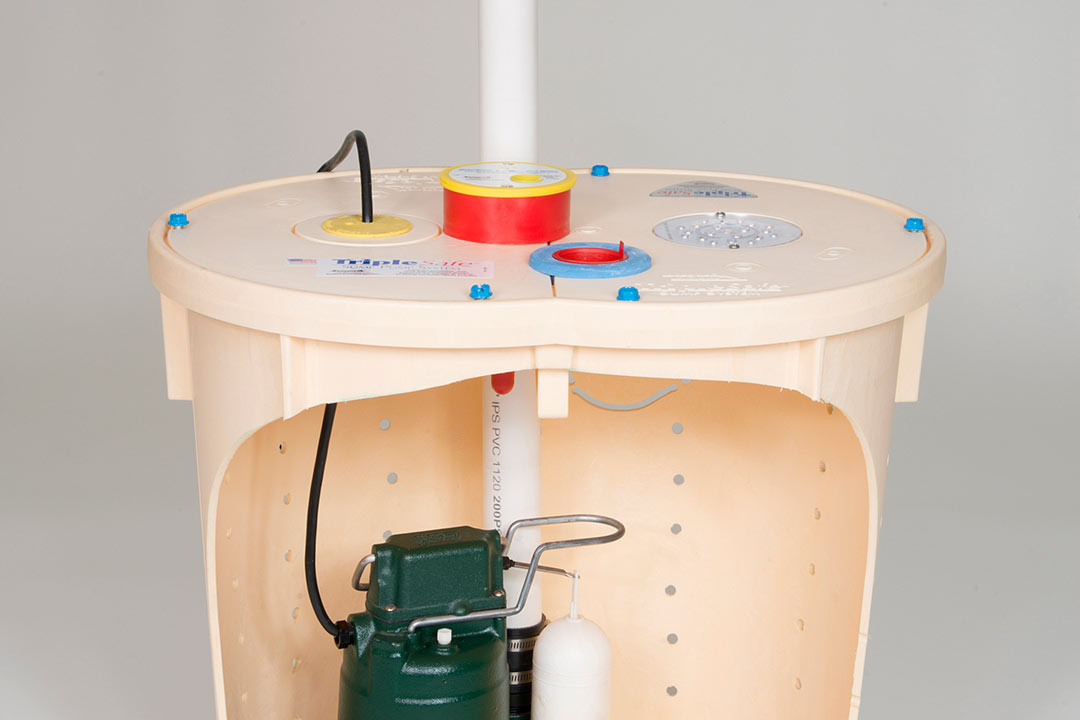
Repairing weakened wood without addressing the source of moisture leaves the crawl space vulnerable to continued damage. Based on where the moisture is coming from, the solution may include drainage, a sump pump, vapor barrier or encapsulation to help keep water and ground moisture away from structural wood.
Manage the humidity that contributes to wood rot and mold
Crawl Space Dehumidification
Even with no standing water present, humid crawl space air can keep wood damp enough for mold and fungal decay to become a concern. A high-capacity crawl space dehumidifier helps hold healthier humidity levels after other sources of moisture have been addressed, leaving a drier environment around the home’s structural framing.

How It Works
What Happens in a Crawl Space Wood Inspection?
Why Moisture Control Is Often Part of Crawl Space Wood Repair
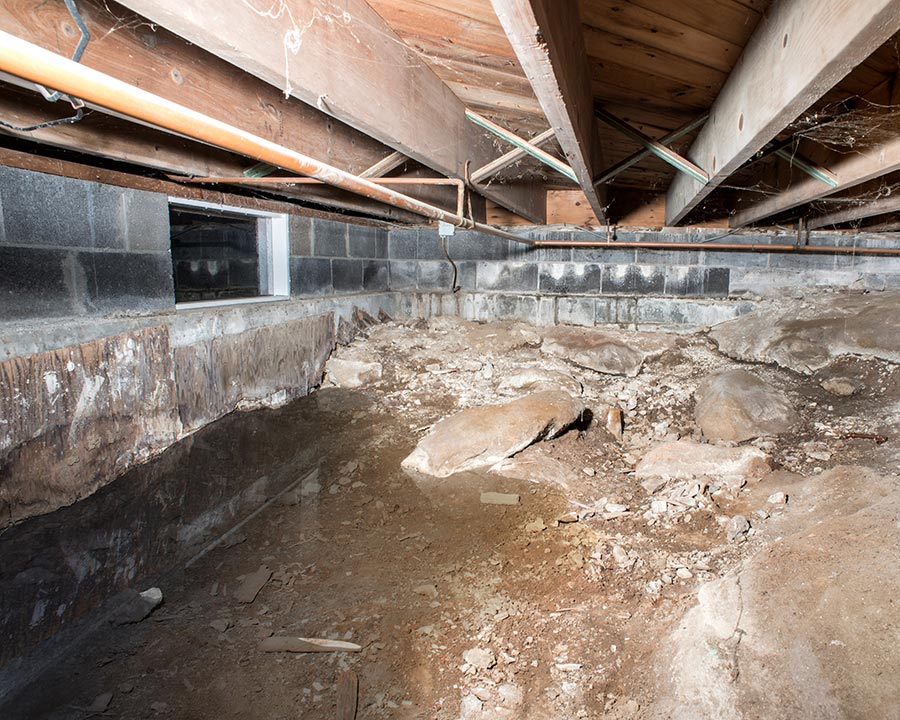
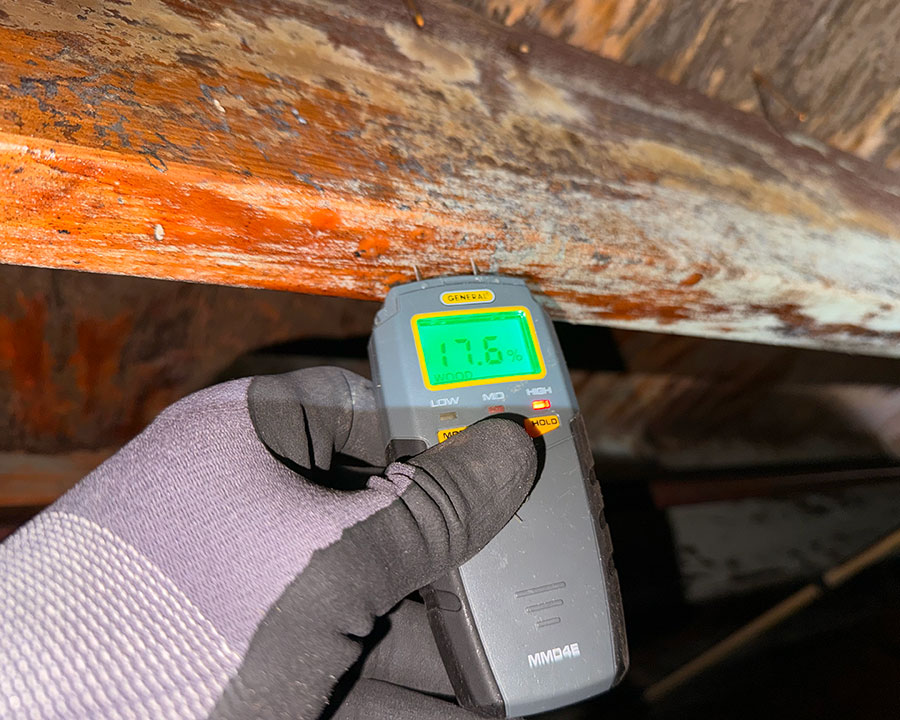
Wood stays vulnerable to decay when groundwater or humid air keeps the framing damp. Repairing or reinforcing damaged wood without fixing those conditions can let the same problem affect the existing structure or newly installed lumber.
Legacy Supportworks identifies the source of moisture and recommends solutions such as drainage, a vapor barrier, encapsulation or dehumidification to help keep the crawl space dry and protect structural wood.

What To Expect
Ready to get started?
Schedule a free estimate to start your journey with Legacy Supportworks.

Schedule your inspection
Fill out our form or give us a call to book your inspection. Share what you’ve noticed so we can send the right expert to your home.

Full home
inspection
An expert will inspect the problem area and surrounding conditions, including soil movement, drainage, structural integrity, and any related concerns.

Clear explanation
of findings
We’ll walk you through what we’re seeing in easy-to-understand language so you know the root cause of the issue, not just the symptoms.

Review recommendations
If repairs are needed, we’ll outline your options, pricing, and timeline so you can make the best decision for your home.
Schedule your free inspection—
It'll only take
a minute
Meet with a trusted expert, and get
clear answers about your home.