Foundation Piering2026-10-27T21:37:03-05:00

Protect Your Home with Foundation Piering in the Texas Panhandle and Northwest Texas

A settling foundation can cause cracks, uneven floors, sticking doors and windows and other structural problems throughout your home. Foundation piering is a proven foundation settlement repair solution that stabilizes your home by transferring the weight of the structure to stronger soil or bedrock, helping stop further movement and, in many cases, lift settled areas.

What Is Foundation Piering? 

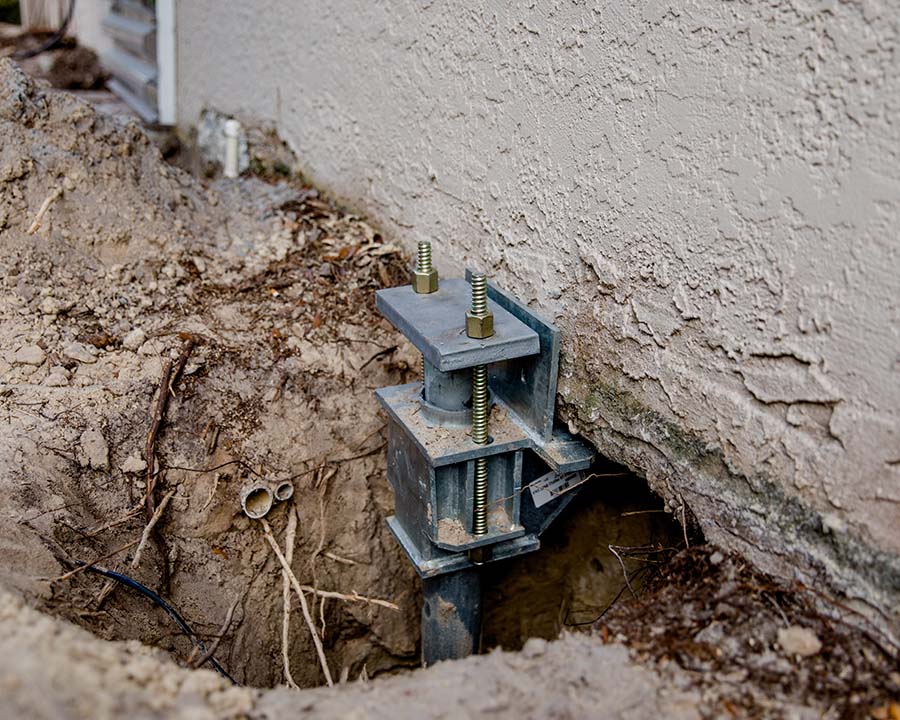
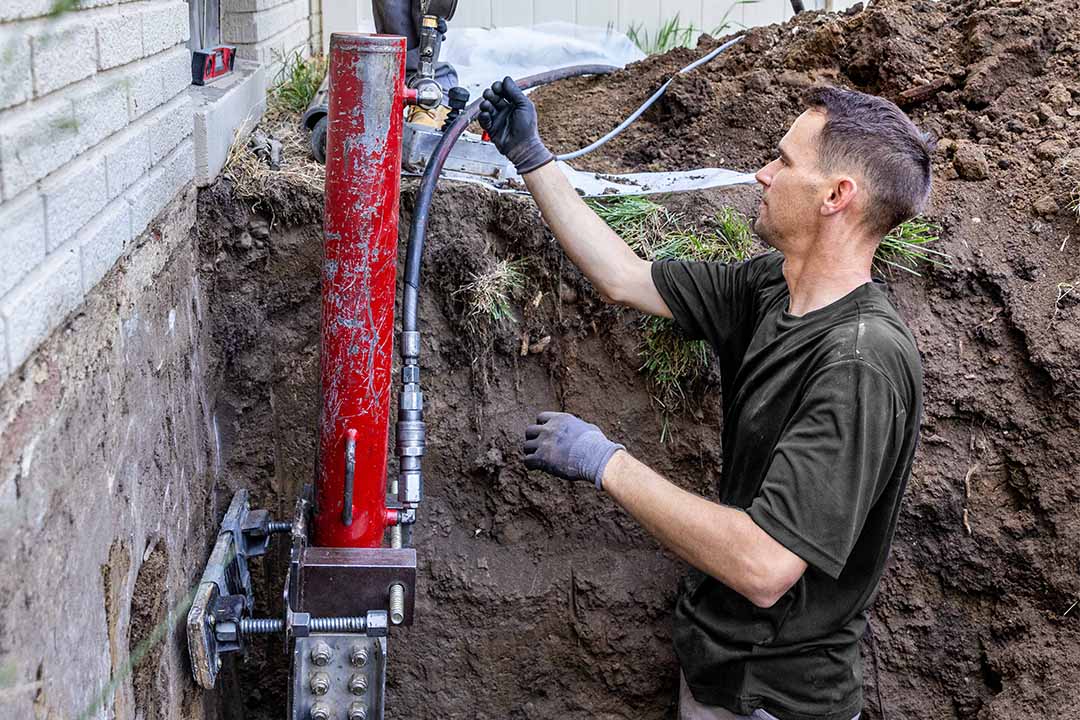
Foundation piering is a proven structural repair solution used to stabilize settling or sinking foundations. Engineered steel foundation repair piers are set deep beneath the home until they reach stable soil or bedrock capable of carrying the weight of the structure.

Once the piers are in place, the home's weight is transferred away from unstable surface soils and onto stronger ground below. This helps stop further settlement and, in many cases, allows settled portions of the foundation to be carefully lifted closer to their original position.
What Causes a Foundation to Settle?

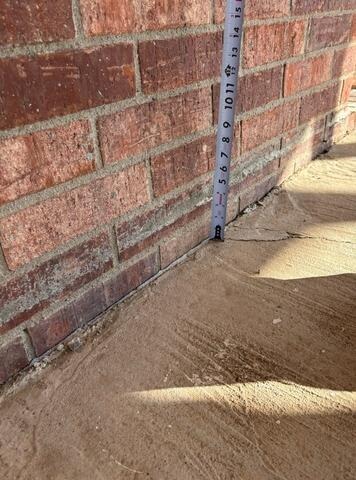
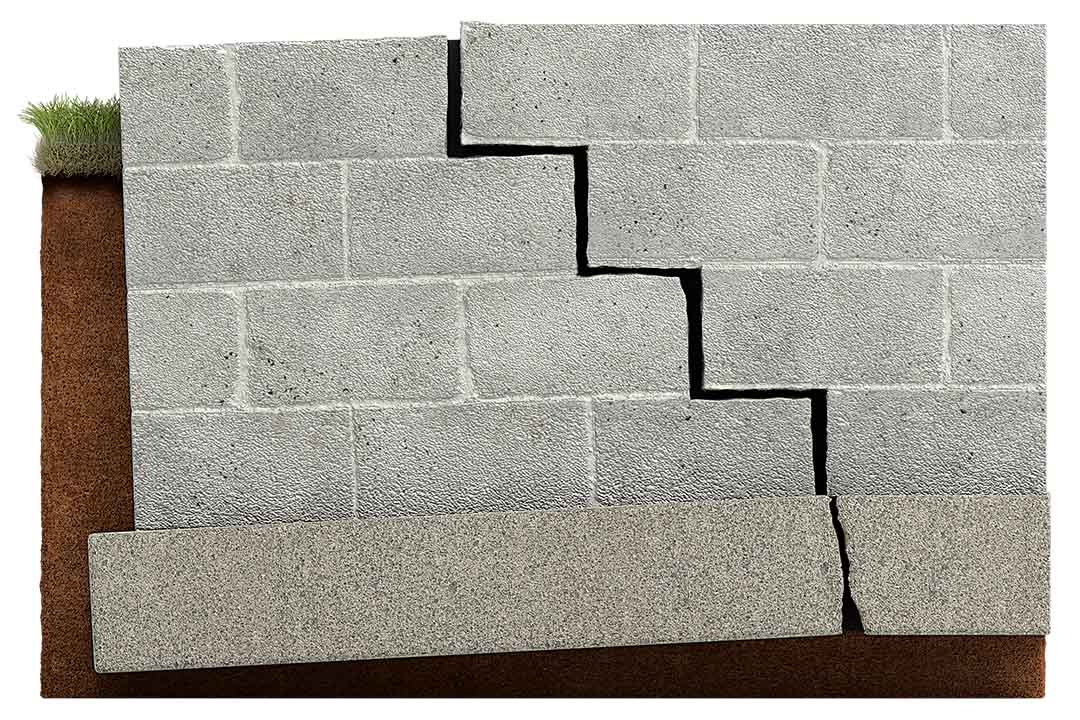
Foundation settlement begins beneath your home, where changing soil conditions gradually reduce the support beneath the foundation. Poorly compacted soil, heavy rainfall, drought, expansive clay and erosion can all cause the soil to move or lose its ability to support the weight of your home. When a foundation settles unevenly, it can lead to cracks, sloping floors, sticking doors and windows and other signs of structural movement. Foundation piering addresses the root of the problem by carrying the home’s weight past unstable soil to deeper, load-bearing ground, providing long-term foundation stabilization.
Our Foundation Piering Solutions

Every settling foundation is unique, which is why there’s no one-size-fits-all repair. During a professional inspection, we’ll look at your foundation, soil conditions and how far settlement has progressed to recommend the right foundation piering solution for your home.

  • Foundation Push Piers

    For permanently stabilizing settled foundations

    Foundation push piers use hydraulic force to reach stable, deeper supporting soils or bedrock beneath your home’s foundation. Once in place, they transfer the weight of the home away from unstable soils to provide permanent support. In many cases, push piers can also lift settled sections of the foundation closer to their original position.

    • Permanently stabilizes settling foundations
    • Reaches stable, load-bearing soil or bedrock
    • May help lift settled areas closer to their original position
    • Limited excavation and disruption
    • Supported by a long-term transferable warranty
  • Foundation Helical Piers

    For varying soil conditions and specialized applications

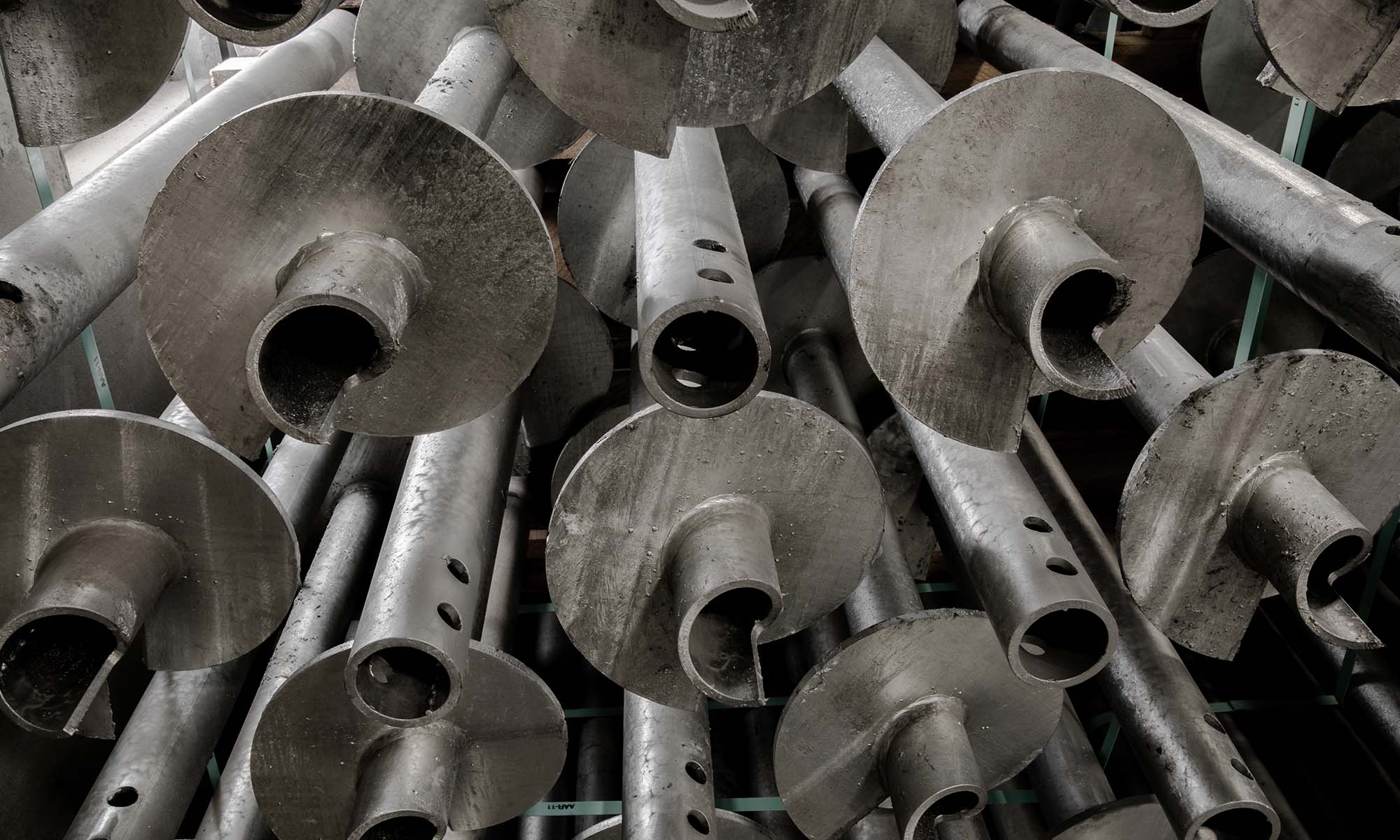
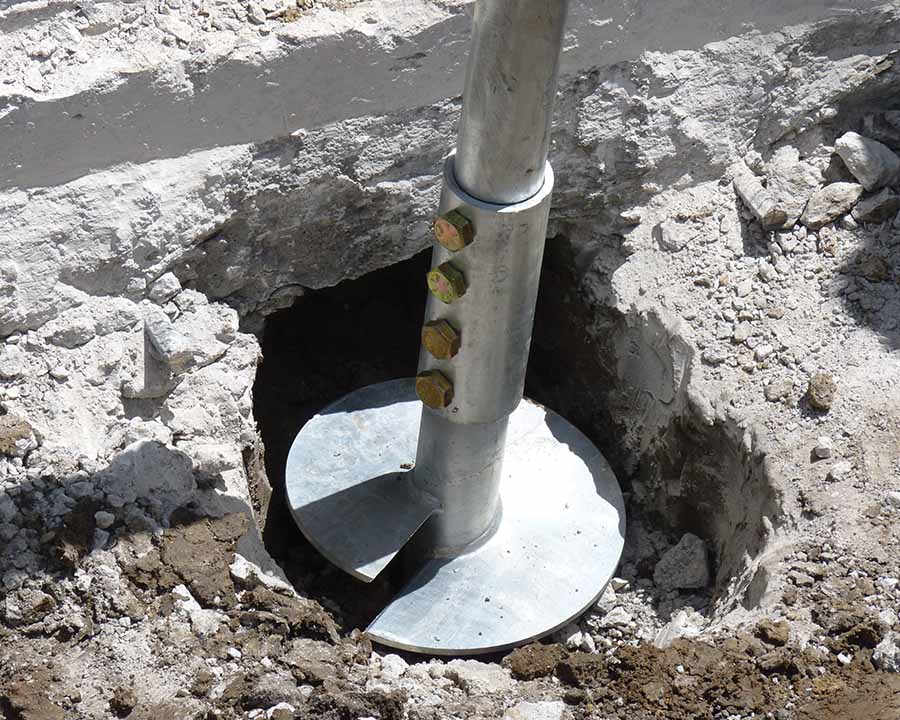
    Foundation helical piers are screwed into the ground mechanically until they reach stable, load-bearing soil. The helical plates allow each pier to screw deep into stable soil, delivering reliable support across a wide range of soil conditions. Helical piers are commonly used for foundation settlement repair, additions, porches and other structures requiring deep foundation support.

    • Provides permanent stabilization for settling foundations
    • Engineered to anchor in stable, load-bearing soil
    • Minimal excavation and disruption to your property
    • A strong fit for varied soil conditions and specialized applications
    • May lift settled portions of the foundation
    • Backed by a long-term, transferable warranty
How It Works

Foundation Piering Process

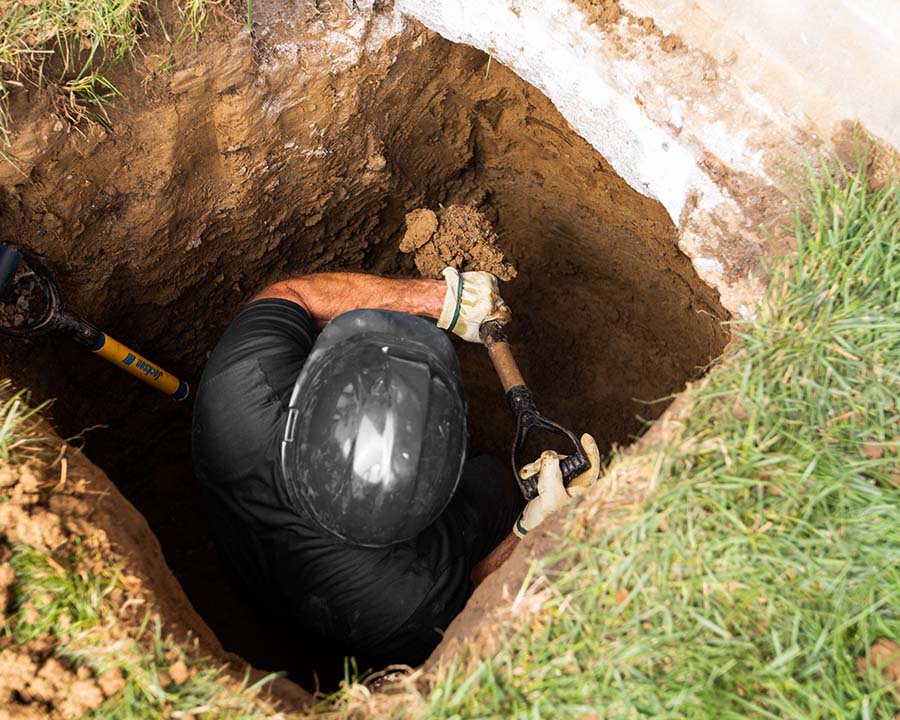
Foundation piering tackles the root cause of foundation settlement by transferring your home’s weight to stable soil or bedrock below. Here’s what the repair process looks like.
Warning Signs Your Home May Need Foundation Piering

Foundation settlement often develops gradually, and the warning signs may become more noticeable over time. If any of the following symptoms sound familiar, your home may benefit from a professional foundation inspection.

  • Stair-step cracks in brick, block or masonry walls outside your home Interior wall cracks, especially above doors and windows
  • Uneven or sloping floors throughout your home Sticking doors and windows that have become difficult to operate
  • A settling or sinking foundation creating visible structural movement
  • Gaps around windows, doors or trim as the home shifts
Benefits

Why Trust Legacy Supportworks For Foundation Piers

[body content] 

What To Expect

Ready to get started?

Schedule a free estimate to start your journey with Legacy Supportworks.

Schedule your inspection

Fill out our form or give us a call to book your inspection. Share what you’ve noticed so we can send the right expert to your home.

Full home
inspection

An expert will inspect the problem area and surrounding conditions, including soil movement, drainage, structural integrity, and any related concerns.

Clear explanation
of findings

We’ll walk you through what we’re seeing in easy-to-understand language so you know the root cause of the issue, not just the symptoms.

Review recommendations

If repairs are needed, we’ll outline your options, pricing, and timeline so you can make the best decision for your home.

Schedule your free inspection—

It'll only take
a minute

Meet with a trusted expert, and get
clear answers about your home.

"*" indicates required fields

1Your Info
2Schedule Your Inspection
3Review & Submit

Customer Information

Before & after photos

Check out before and after photos from some of our completed projects.
  • Stabilizing a Crawlspace in Pampa, TX

    This home had crawlspace beams that were cracking and lacked stabilization. 

    Years of shimming had only been a “band-aid” fix and this customer was looking for a permanent solution.

    Our crew installed steel beams and steel smartjacks on engineered fill.

    The result was a permanently stabilized floor!

  • Concrete Repair in Spearman, TX

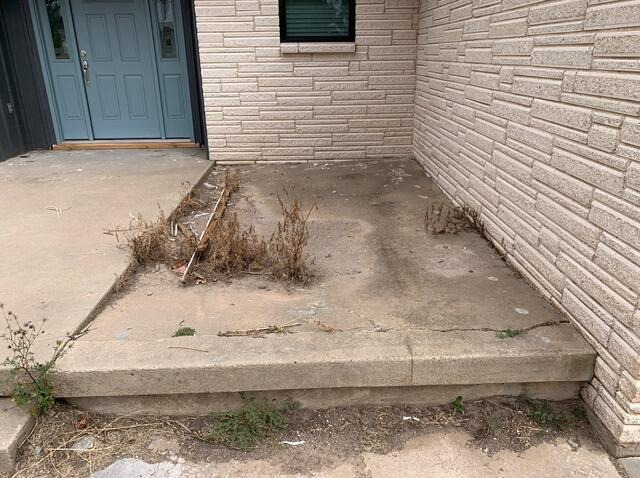
    A customer reached out after seeing a video of concrete lifting using injection methods and wondered if it could work for their front porch. Their home, built in 1968, features a large concrete porch with a section that originally had a planter between it and the house. At some point, the planter was covered with concrete, which has since sunk about 4 inches. Both sections measure approximately 8×12. While the porch itself was fine, they wanted a solution to lift the concrete over the old planter rather than starting from scratch. Legacy inspected the situation and provided a tailored solution to restore their home.

  • Foundation Repair in Guymon, Oklahoma

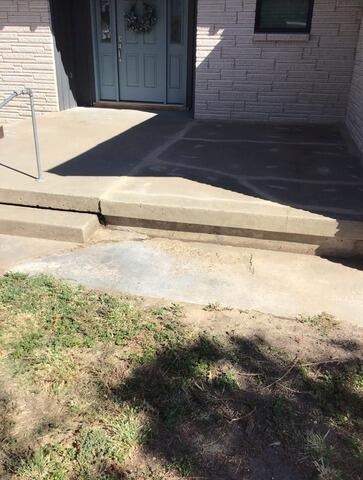
    Just four years after adding a first porch for relaxation, a homeowner in Guymon, OK found himself facing a disheartening problem – his beloved porch had settled a shocking 2 feet into the ground, taking his dreams of peaceful rocking chair afternoons with it. As depicted in our before photo, this alarming sinkage rendered the space unusable. To lift and stabilize the sinking structure, we deployed our trusted Push Pier system, meticulously engineered to provide strength and elevation from deep below the surface. The transformation is apparent in the after photo, where the porch now stands level and secure, promising many future years of comfort and stability. At Legacy Supportworks, reviving your home’s foundation to ensure lifelong enjoyment and safety is not just our mission—it’s our commitment to you.

Our service area

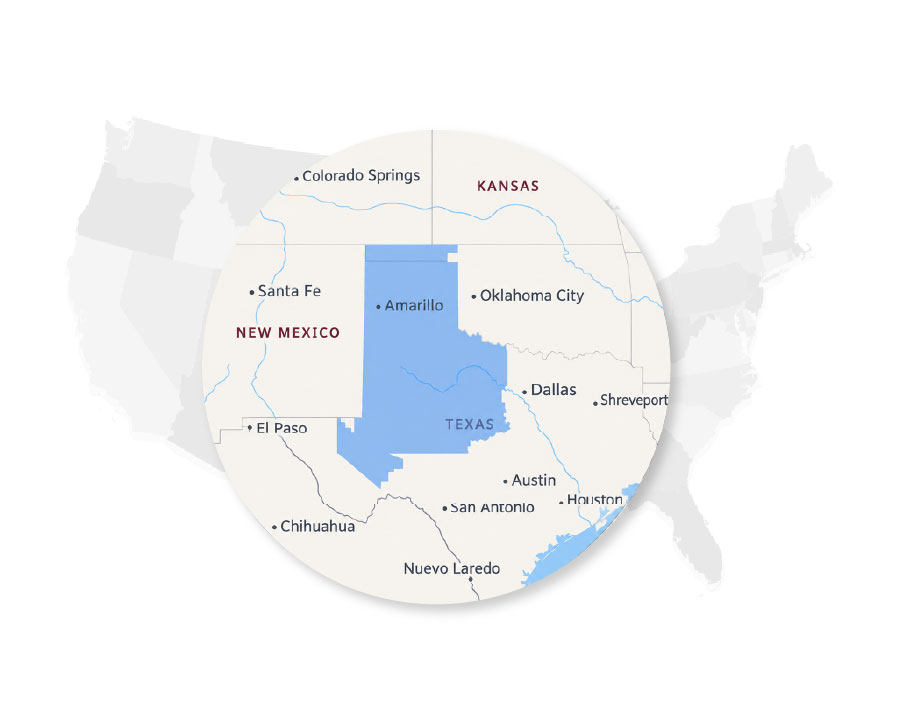
Legacy Supportworks is the local expert for Foundation Repair, Concrete Repair & Concrete Leveling and more. We proudly service Lubbock, San Angelo, and all of West Texas & Cimarron County, OK.

Frequently Asked Questions

Is foundation piering a permanent solution? 2026-10-01T13:54:17-05:00

Foundation piering is engineered to provide long-term stabilization by bypassing unstable surface soils and transferring the weight of your home to stable, load-bearing soil or bedrock. Professionally installed foundation piers help stop further settlement and provide reliable support for the life of the structure. 

How long does foundation pier installation take? 2026-10-01T13:53:30-05:00

Every project is different, but most foundation pier installations wrap up within a few days after the repair plan is finalized. The exact timeline depends on things like the size of the foundation, the number of piers being installed, soil conditions and overall project complexity. 

Will foundation piering disrupt my yard or landscaping? 2026-10-01T13:52:55-05:00

Foundation piering is designed to keep disruption to your property to a minimum. Small excavation areas are created only where piers need to be installed, and experienced crews work carefully to protect surrounding landscaping whenever possible. Once the repair is complete, disturbed areas are restored as part of the installation process. 

How much does foundation piering cost? 2026-10-01T13:52:28-05:00

The cost of foundation piering depends on a number of factors, including the size of your home, the severity of settlement, the number of piers required and site conditions. Because every foundation is different, the best way to determine the right solution and cost is through a professional foundation inspection. 

Does foundation settlement get worse over time? 2026-10-01T13:51:58-05:00

Yes. Foundation settlement usually progresses if the underlying soil conditions aren’t addressed. As the soil continues to shift or lose support, structural movement may become more severe, leading to larger cracks, uneven floors, sticking doors and windows and additional damage. Catching settlement early can help prevent more extensive repairs later. 

How long do foundation piers last? 2026-10-01T13:51:23-05:00

Professionally installed foundation piers are designed to provide permanent, long-term foundation stabilization. By transferring your home’s weight to stable, load-bearing soil or bedrock, they help prevent additional settlement caused by unstable surface soils. Many systems are backed by transferable warranties, which adds peace of mind. 

What’s the difference between push piers and helical piers? 2026-10-01T13:50:57-05:00

Push piers and helical piers are both designed to stabilize settling foundations, but they’re installed differently and used in different situations. Push piers rely on hydraulic force, while helical piers are screwed into stable soil using helical plates. The right system depends on your foundation, soil conditions and the specific needs of your property. 

Can foundation piers lift my home back into place? 2026-10-01T13:50:19-05:00

Foundation piers can, in many cases, help lift settled portions of a home closer to their original position. However, how much lift is possible depends on the extent of settlement, the condition of the structure and what can be safely achieved during the repair process. Long-term foundation stabilization is always the primary goal. 

How do I know if my home needs foundation piers? 2026-10-01T13:49:51-05:00

Common signs of foundation settlement include foundation cracks, sticking doors and windows, uneven floors, gaps around trim and areas of the home that appear to be sinking. While these symptoms often indicate foundation movement, only a professional inspection can determine whether foundation piering or another repair solution is the right choice. 

What is foundation piering? 2026-10-01T13:49:24-05:00

Foundation piering is a structural repair solution used to stabilize homes affected by foundation settlement. Steel piers extend beneath the foundation until they reach stable, deeper supporting soils or bedrock. The piers transfer the weight of the home away from unstable soil, helping stop further settlement and, in many cases, allowing settled areas to be lifted closer to their original position. 

Related pages

Service Areas

Legacy Supportworks proudly serves Lubbock, San Angelo, and all of West Texas & Cimarron County, OK.

Resources

Access valuable resources to help keep your home healthy and your family safe.

The Thrasher Promise

At Thrasher, we pride ourselves on providing permanent solutions, and stand behind our work with industry-leading, fully transferable warranties and guarantees.

Schedule your free inspection today

Don’t let unanswered questions about your
home worry you any longer.
Go to Top