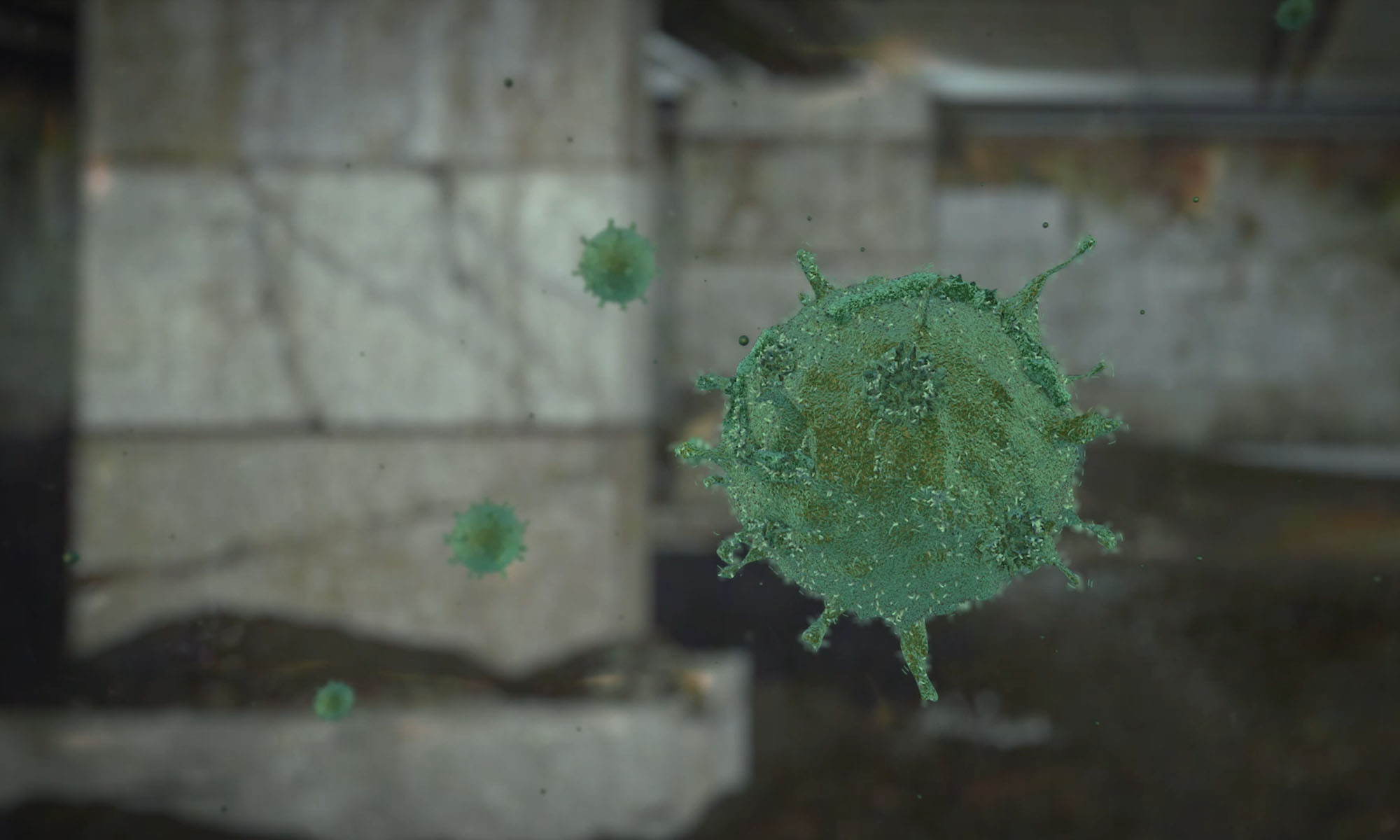
What Causes Mold in [Target Location] Basements?
Basement mold begins with excess moisture. Humid outdoor air can enter and condense on cool below-grade surfaces, while groundwater can work through foundation walls, floors, cracks and joints. Water vapor can also move through porous concrete, leaving basement walls damp even when there isn't an obvious leak.
ENERGY STAR recommends 30–50% indoor relative humidity; levels above that range may promote mold growth. After water intrusion, the EPA recommends drying wet materials within 24–48 hours to help prevent mold growth.
Symptoms
Signs You Have a Moisture and Mold Problem
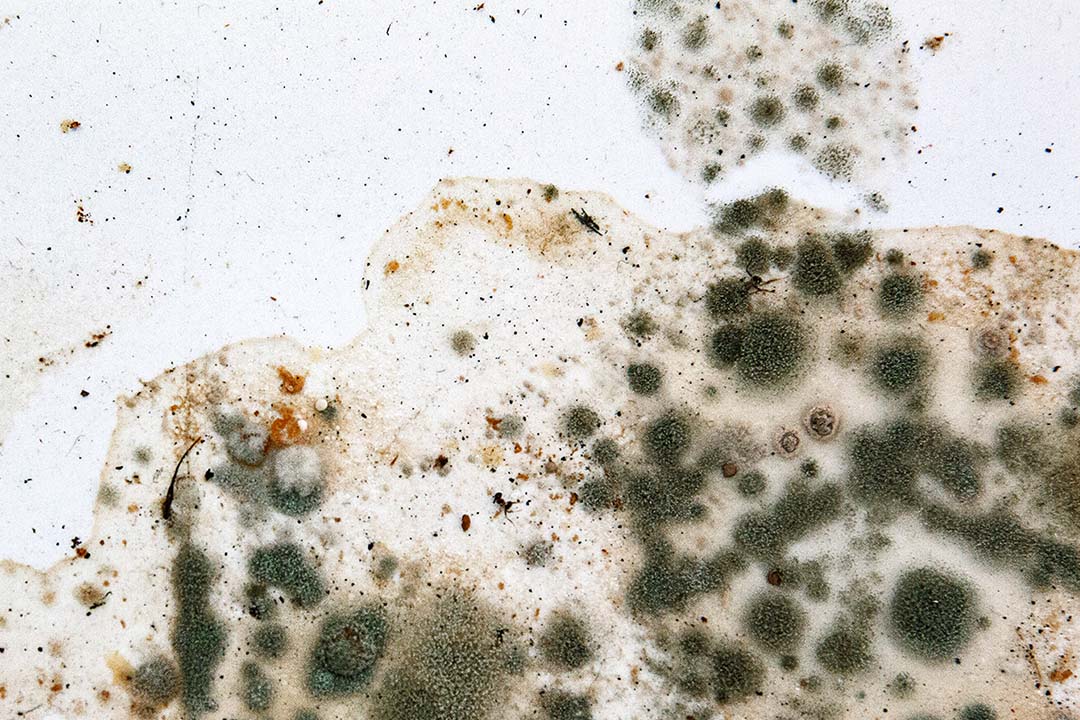
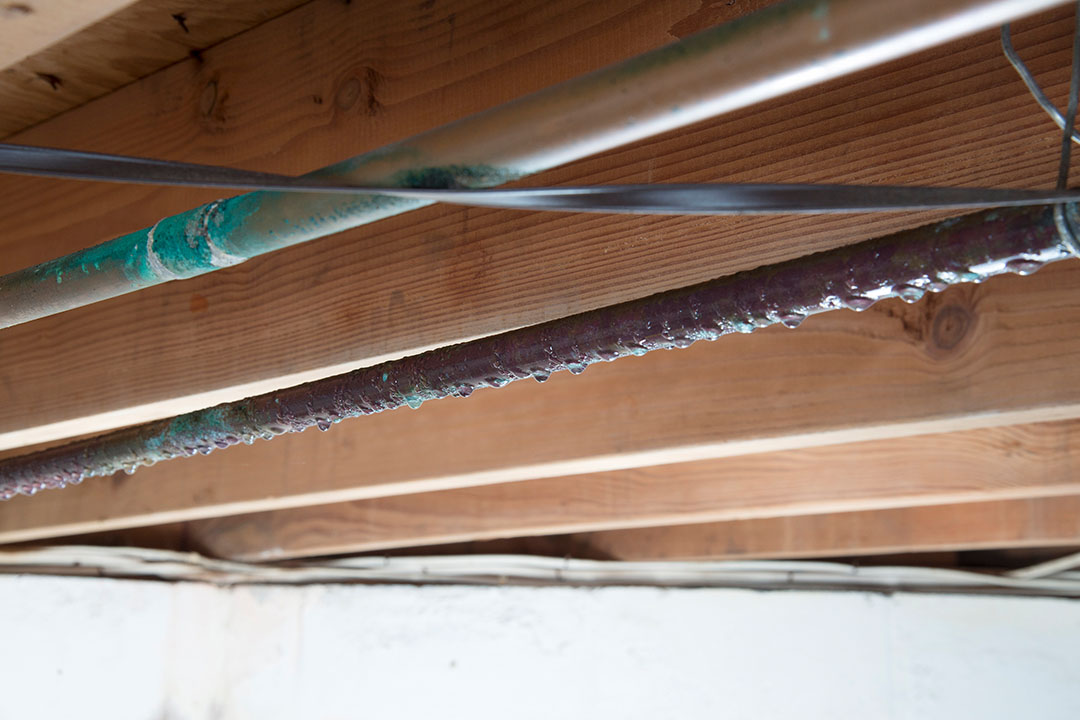
Common signs of a basement moisture problem include a musty smell that keeps coming back, visible growth and staining on walls, condensation on pipes or ductwork, damp foundation walls and warped or buckling floors above the basement.
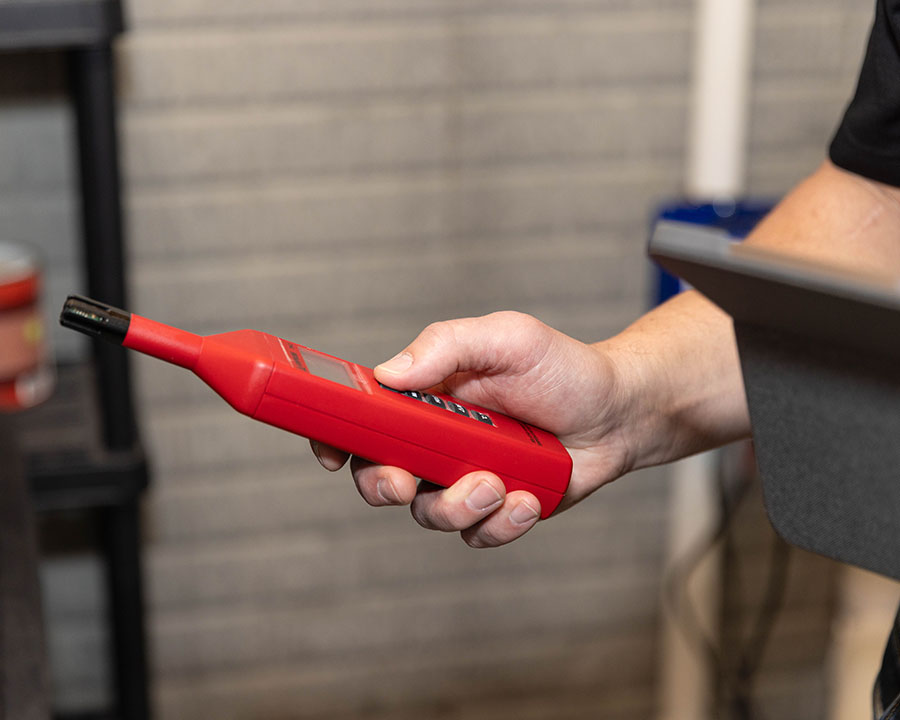
These signs can indicate excess humidity, condensation or water entering through the foundation. Because moisture is what allows mold to grow, pinpointing where that moisture is coming from is the first step toward managing the problem.
Our Basement Mold Control Solutions for [Target Location] Homes
For damp and musty-smelling basement air
Dehumidification
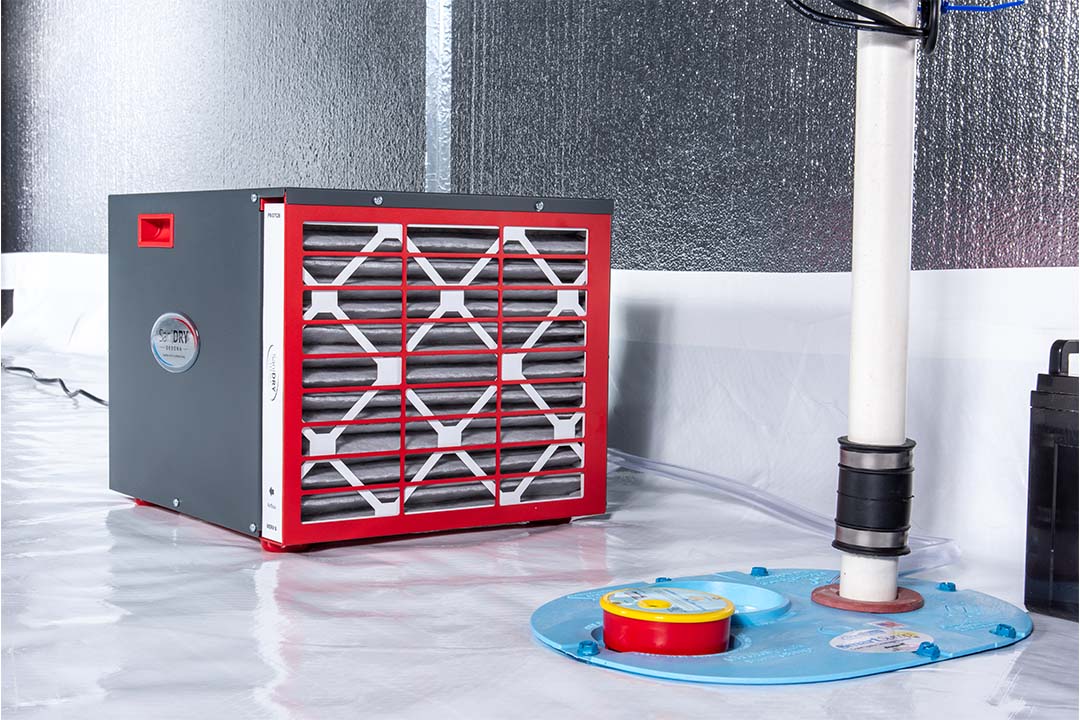
A properly sized, ENERGY STAR certified basement dehumidifier helps maintain relative humidity in the 30–50% range, reducing the moisture that supports mold growth. The system drains automatically to a sump or floor drain, delivering year-round humidity control without a bucket to empty. ENERGY STAR certified dehumidifiers also use about 20% less energy than comparable non-certified models.

For damp basement walls
Basement Wall Vapor Barrier
Concrete foundation walls can admit water vapor and seepage into the basement, creating damp conditions that support mold growth. A waterproof wall vapor barrier shields the basement from that moisture and channels wall seepage into the interior drainage system. It also gives a clean, durable covering for unfinished foundation walls.

For water that enters the basement
Interior Drainage & Sump Pump System
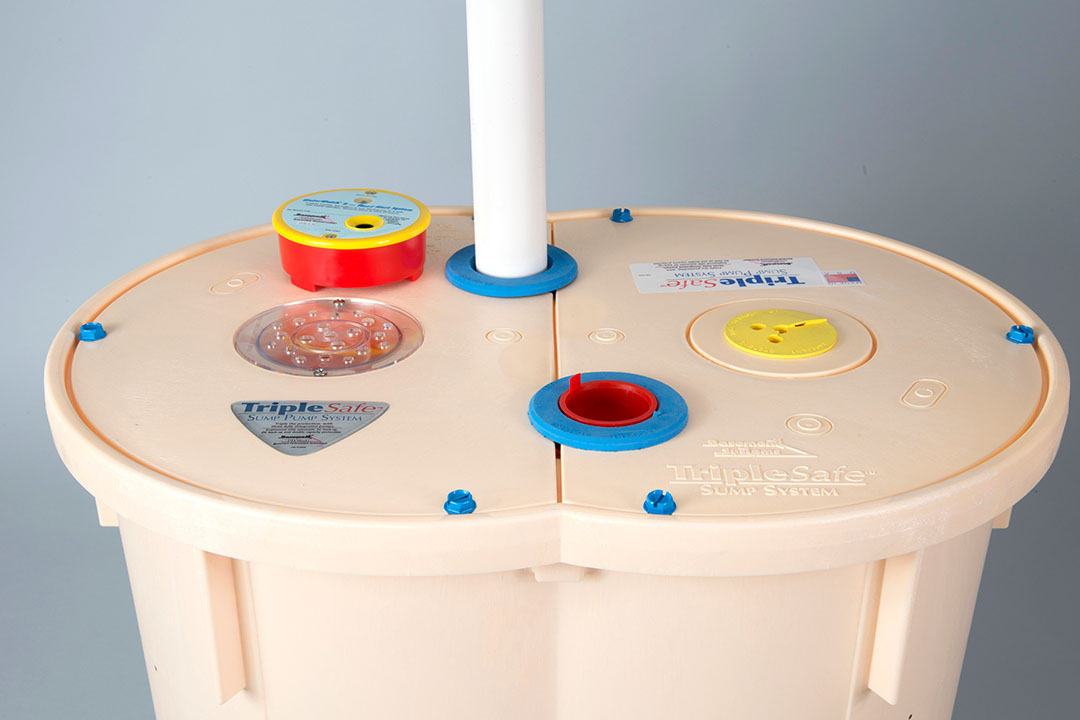
If groundwater or rainwater is entering the basement, humidity control alone won’t solve the problem. An interior drainage system intercepts water entering around the foundation and carries it to a sump pump, which sends it away from the home. Controlling recurring water intrusion helps keep the basement drier and addresses a primary source of the moisture that supports mold growth.
For concerns about basement air quality
Air Purification
Moisture control comes first. When additional filtration is appropriate, an air purifier can run alongside a basement dehumidifier to trap airborne particles, including some mold spores, dust and allergens. Because air can travel from the basement into the living areas above, filtration offers an additional layer of indoor air quality control after the underlying moisture conditions are addressed.
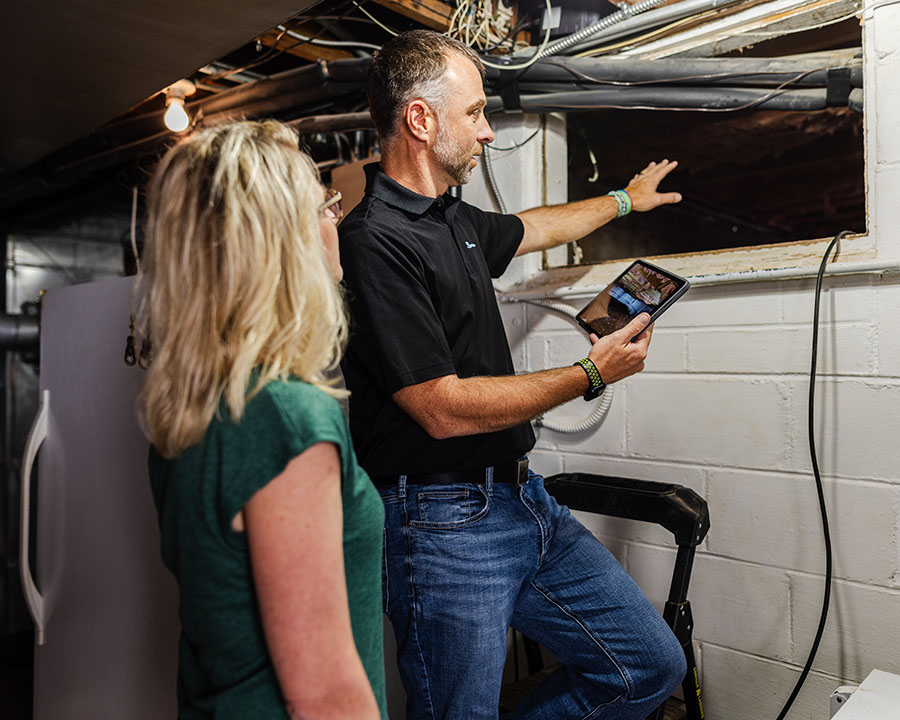
How We Find the Source of Your Moisture Problem

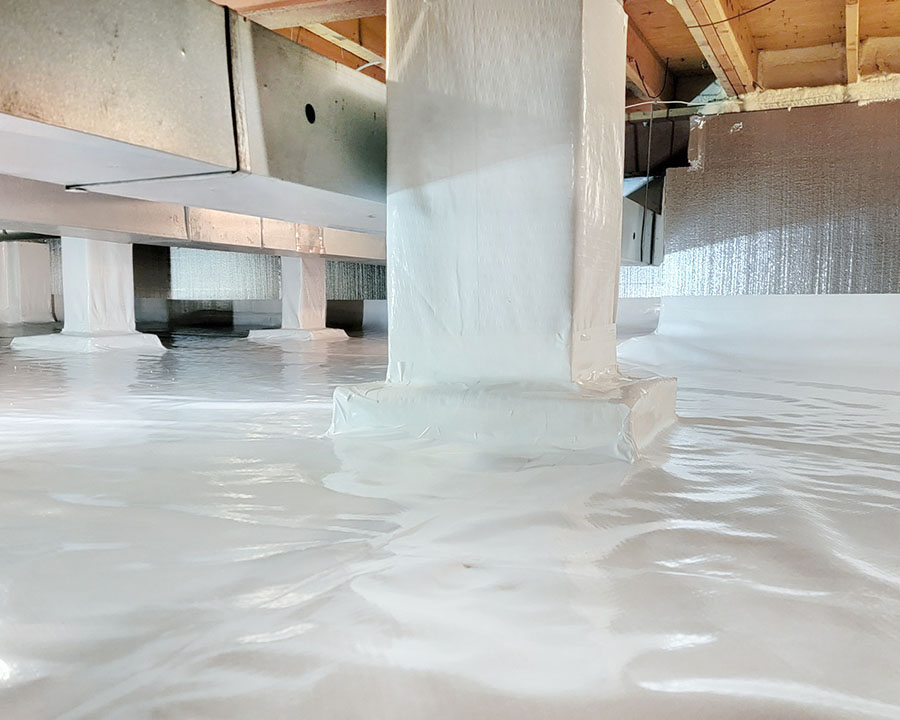
Mold Control vs. Mold Removal: What Legacy Supportworks Does
Legacy Supportworks is a basement waterproofing and moisture-control company, not a licensed mold remediation or abatement contractor. We address the conditions that allow mold to grow, including high humidity, groundwater seepage, condensation and moisture moving through foundation walls.
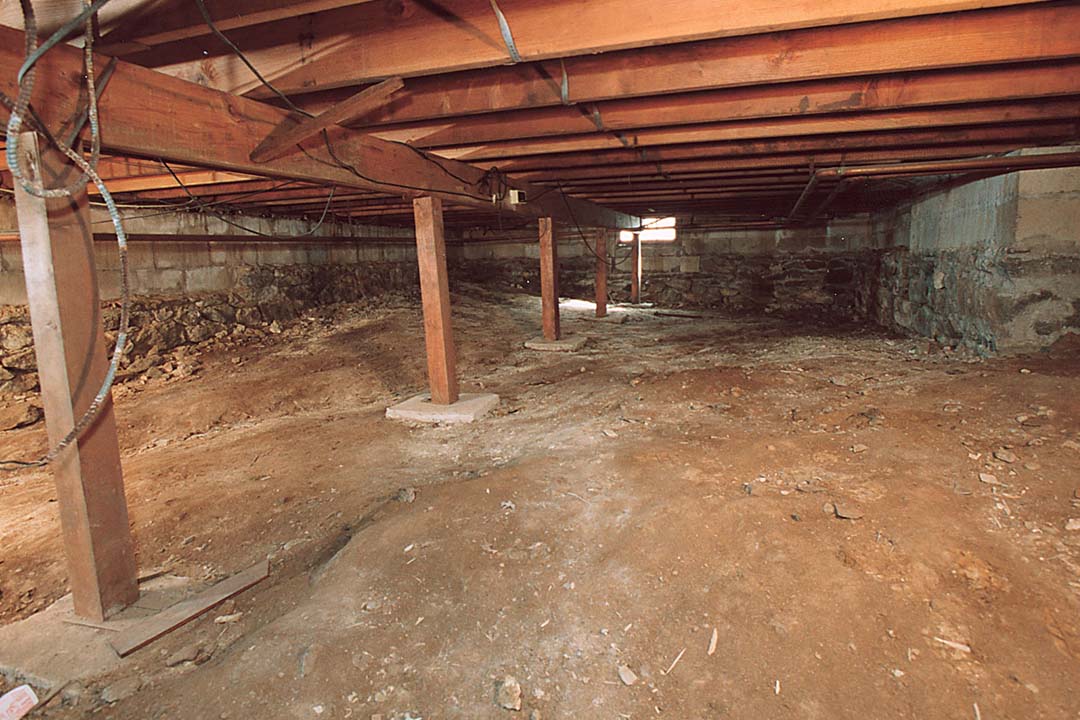
If existing mold requires professional remediation, that work is separate. Our role is to correct the moisture problem behind it so the basement or crawl space can stay drier after cleanup.
What To Expect
Ready to get started?
Schedule a free estimate to start your journey with Legacy Supportworks.

Schedule your inspection
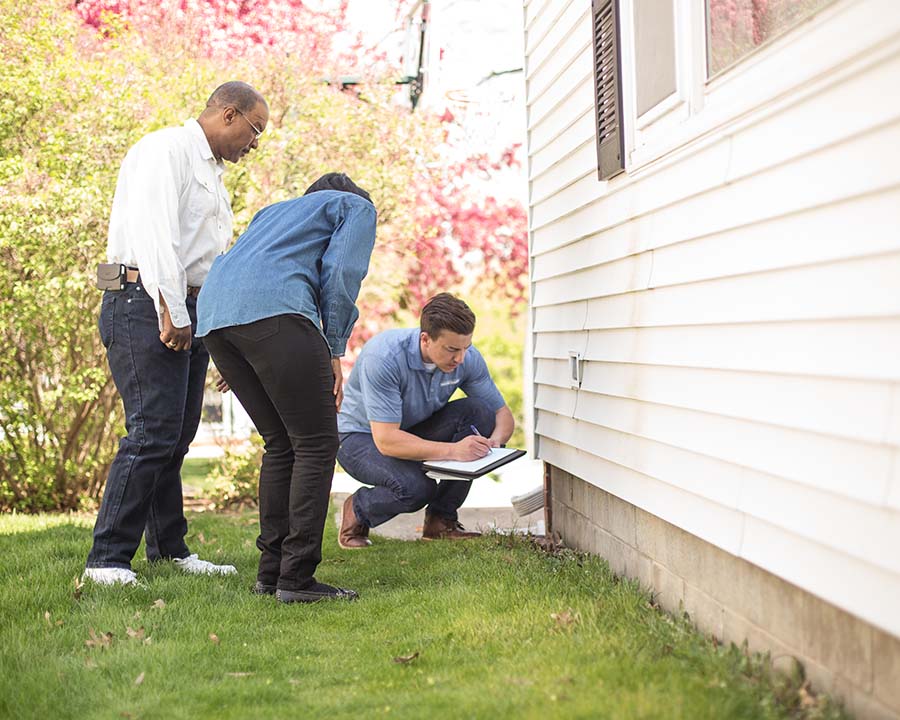
Fill out our form or give us a call to book your inspection. Share what you’ve noticed so we can send the right expert to your home.

Full home
inspection
An expert will inspect the problem area and surrounding conditions, including soil movement, drainage, structural integrity, and any related concerns.

Clear explanation
of findings
We’ll walk you through what we’re seeing in easy-to-understand language so you know the root cause of the issue, not just the symptoms.

Review recommendations
If repairs are needed, we’ll outline your options, pricing, and timeline so you can make the best decision for your home.
Schedule your free inspection—
It'll only take
a minute
Meet with a trusted expert, and get
clear answers about your home.