Sinking Driveway2026-10-20T15:44:42-05:00

Sinking Driveway Repair & Driveway Leveling in the Texas Panhandle and Northwest Texas, TX

A sinking or uneven driveway can lead to trip hazards, cracks, rough vehicle transitions and drainage problems that worsen over time. In many cases, the concrete itself is still in good shape, but the supporting soil beneath it has settled, shifted or washed away. Legacy Supportworks offers professional inspections and customized concrete lifting and driveway leveling solutions that can restore sunken concrete without full replacement.

Symptoms

Signs Your Driveway is Sinking

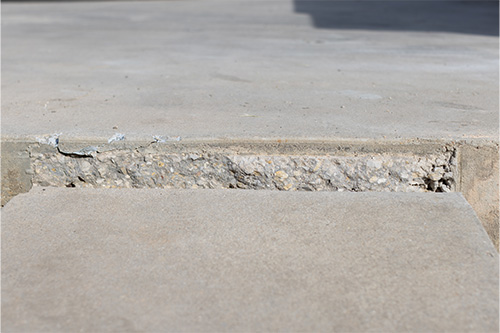
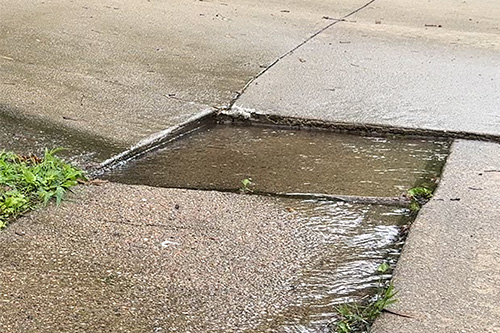
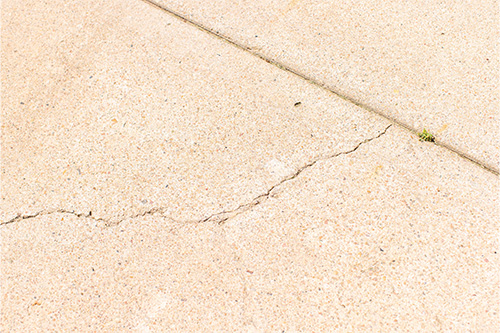
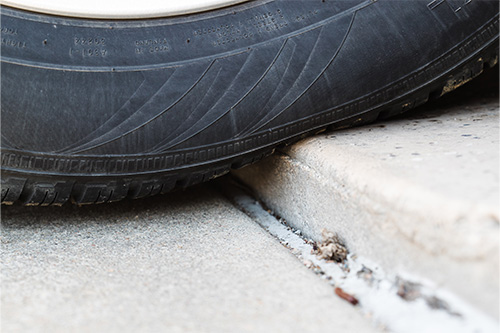
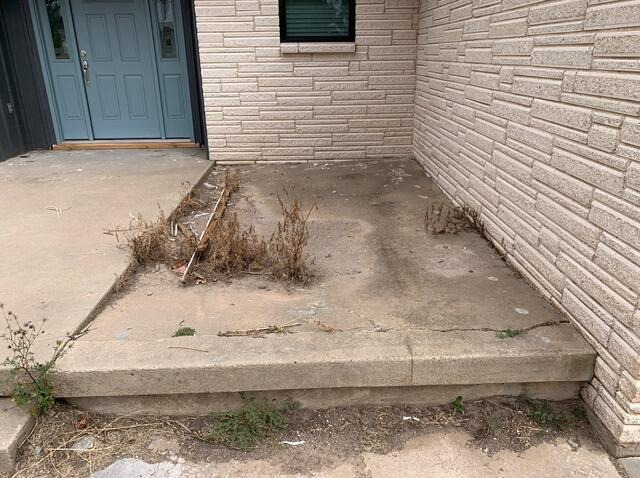
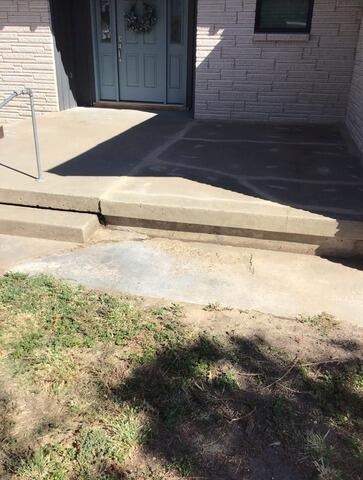
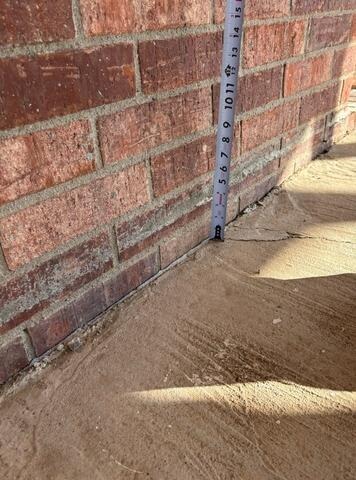
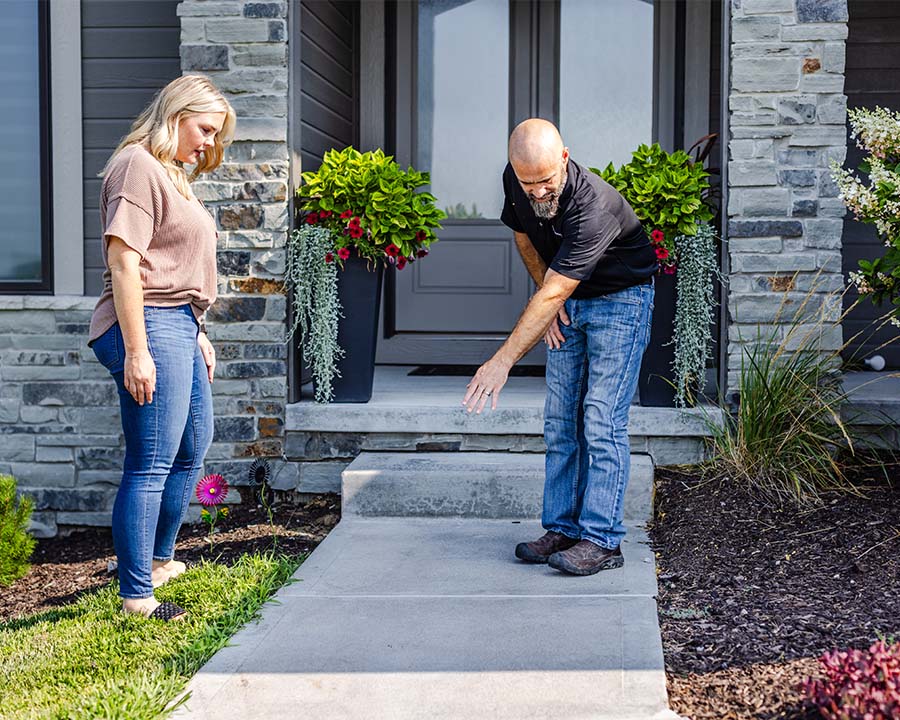
A sinking driveway often begins with a small height difference between slabs, but settlement can continue as the soil beneath the concrete loses support. Watch for these common signs, especially near the garage, sidewalk or street. A professional inspection can identify why the concrete is moving and whether concrete lifting and driveway leveling can restore the surface and prevent additional damage.

Causes

What Causes a Driveway to Sink

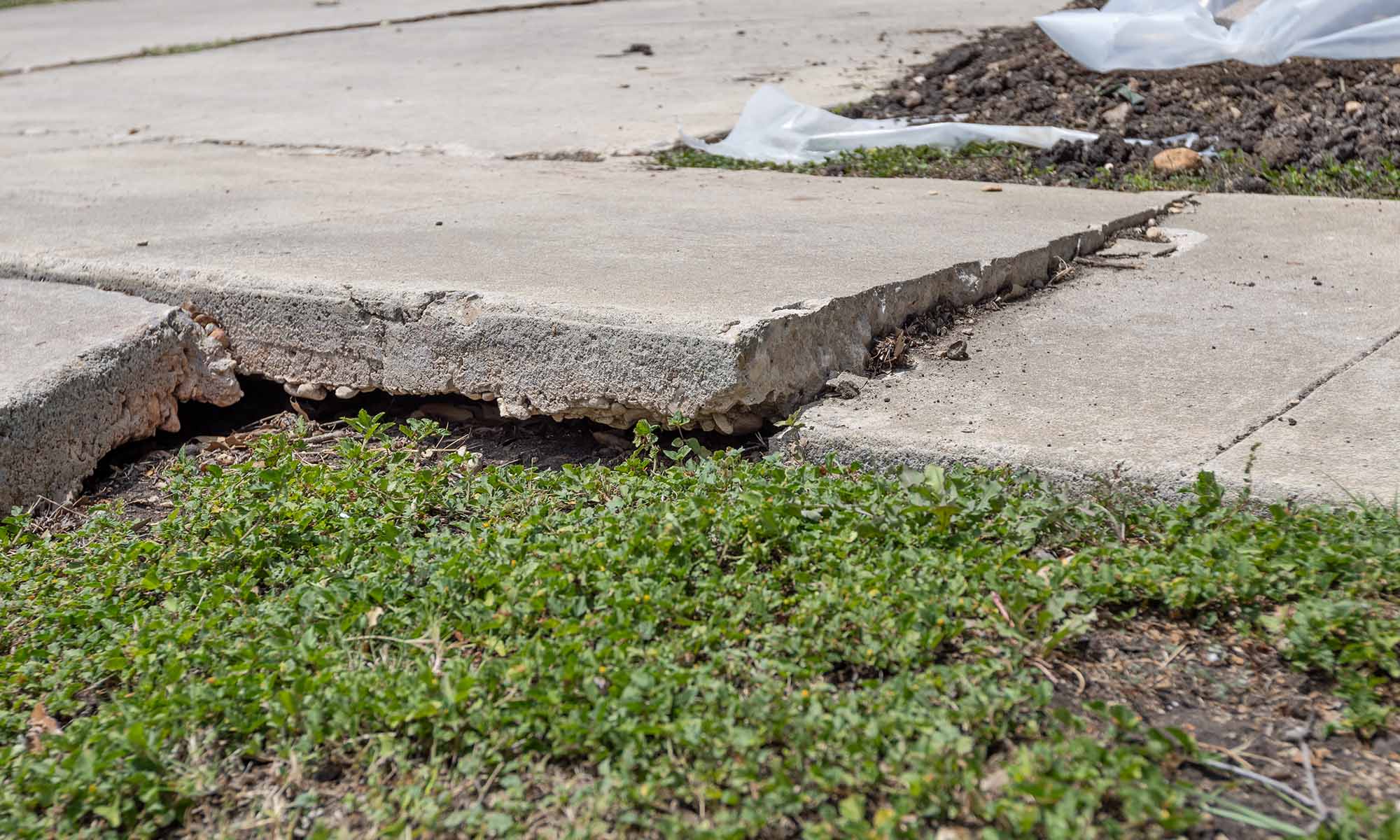
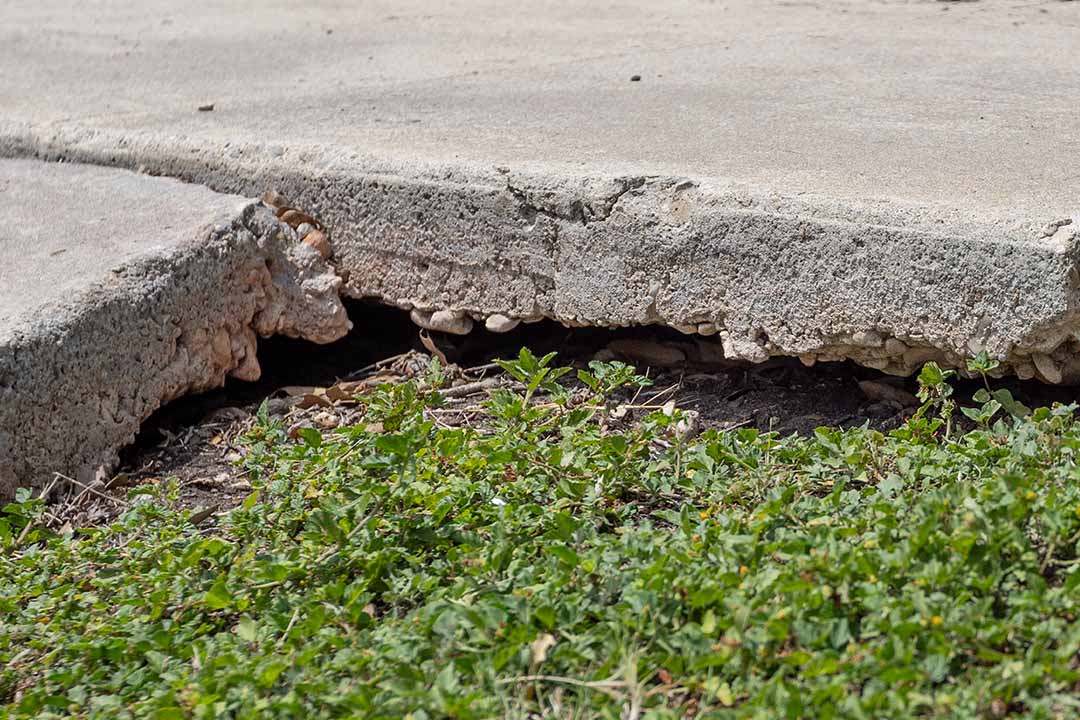
A driveway slab relies on stable, well-compacted soil beneath it. When that support settles, erodes or shifts, voids can form under the concrete, allowing sections of the driveway to sink. While several factors may contribute to settlement, the concrete itself is rarely the problem; it’s the supporting soil. Determining why the support was lost is an important first step in recommending the right concrete driveway repair.
  • Loose or Poorly Compacted Fill

    Driveways are frequently installed over fill soil placed during construction. If that soil wasn’t compacted evenly, it can compress over time and leave unsupported areas beneath the slab.

    As vehicles and seasonal moisture changes place pressure on the driveway, loose fill soil can continue settling. The concrete may slowly sink into the spaces that form, creating uneven slabs or a noticeable dip where the driveway meets the garage.

  • Soil Erosion and Washout

    Water traveling beneath or beside a driveway can carry off the soil supporting the concrete. Leaking downspouts, poor grading and runoff are common culprits.

    As the supporting soil is carried away, voids develop beneath the slab. The slab can then crack, tilt or drop into those open spaces. Correcting drainage concerns may be an important part of helping the repair perform over time.

  • Expansive Soils

    Clay-rich soils can swell when wet and shrink as they dry. This ongoing movement produces shifting pressure beneath the driveway.

    When soil volume changes are uneven across the slab, one section may rise while another loses support and sinks. Local soil and climate conditions can affect both the cause of settlement and the recommended driveway repair solution.

  • Natural Soil Consolidation

    Even correctly placed soil can slowly consolidate under the weight of the driveway and routine vehicle traffic.

    As deeper soil layers compress, the driveway may settle slowly over time. The movement is often most visible where one slab meets another, near the garage floor or along the outer edge of the driveway.

  • Excessive Vehicle Weight

    Repeated traffic from trucks, recreational vehicles or other heavy equipment can add stress to concrete that already has weak or uneven support**.

    Heavy loads alone don’t usually cause driveway slab sinking, though they can hasten movement when voids, loose fill or washed-out soil are already present beneath the concrete.

Why You Shouldn't Ignore a Sinking Driveway
  • Stage 1

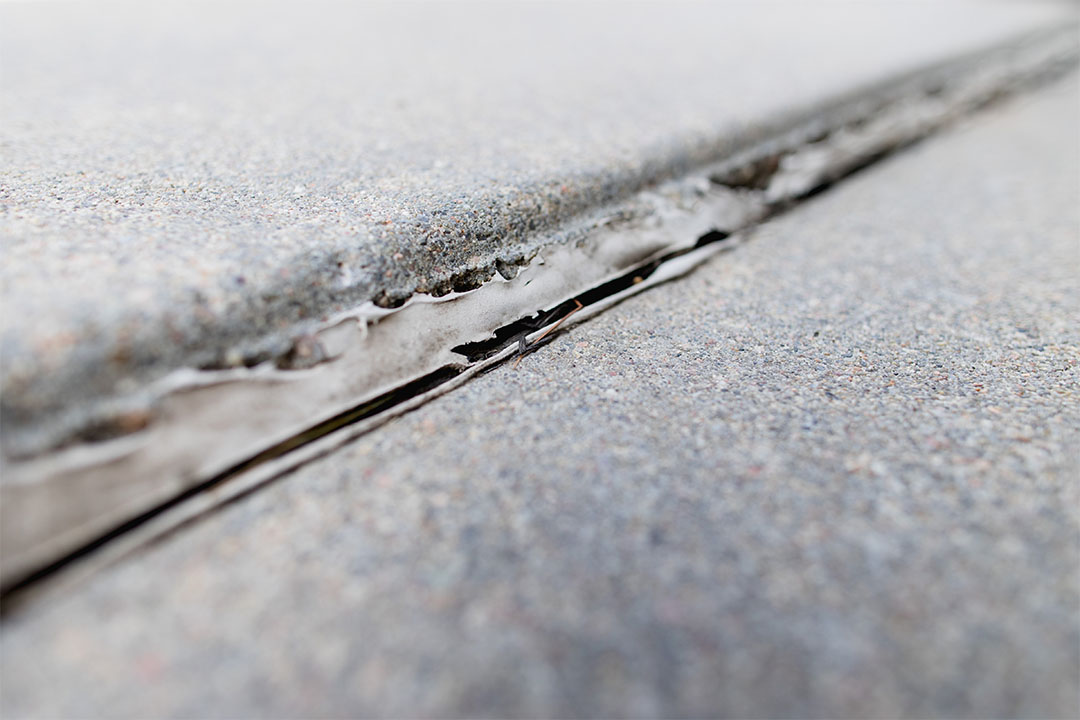
    Small Differences in Height

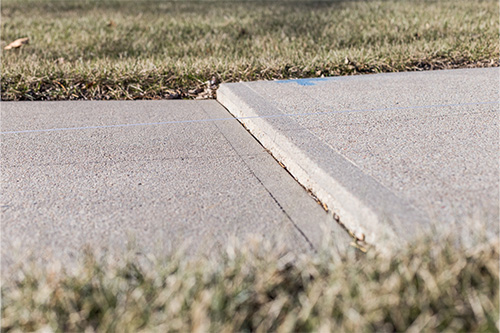
    The driveway typically starts with a small dip or uneven transition between slabs. At this point, homeowners often notice water pooling, rough vehicle transitions or a small trip hazard.

  • Stage 2

    Continued Settlement

    As supporting soil settles or washes out, the height difference gets larger. Cracks may widen, water intrusion can worsen, and the driveway becomes more difficult to shovel, drive across or safely walk on.
  • Stage 3

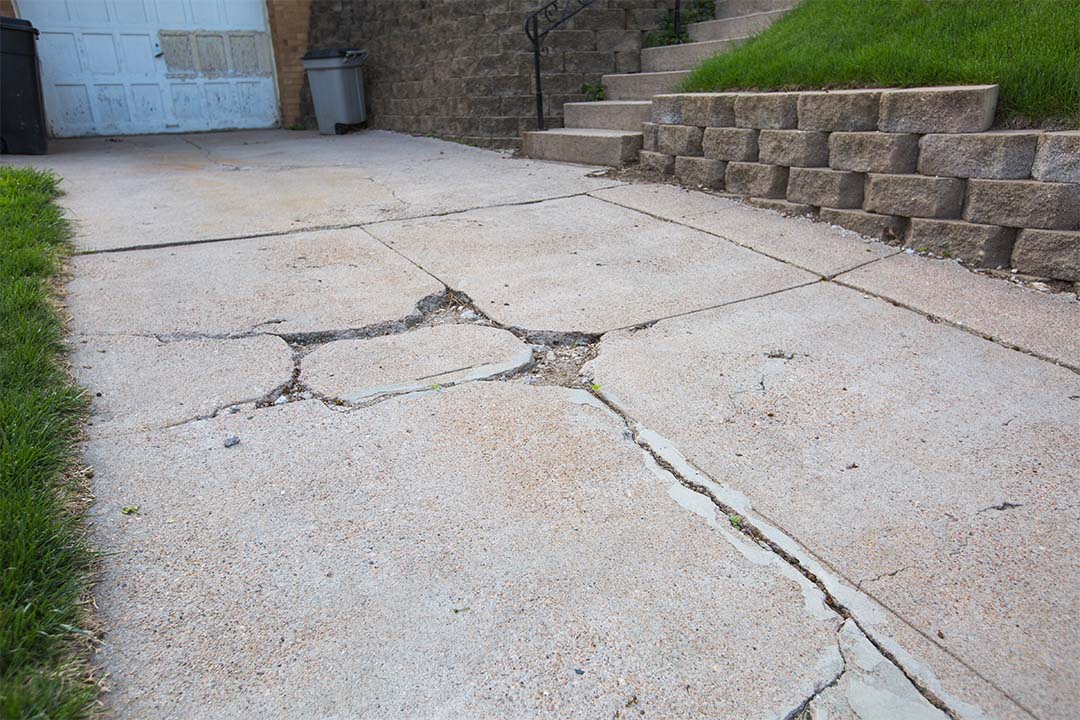
    Damage Becomes More Extensive

    If left alone, settlement can progress until sections of concrete crack, break apart or are too damaged to lift effectively. At that point, replacement may be necessary, resulting in a more expensive and disruptive repair.

Legacy Supportworks' Solution for a Sinking Driveway

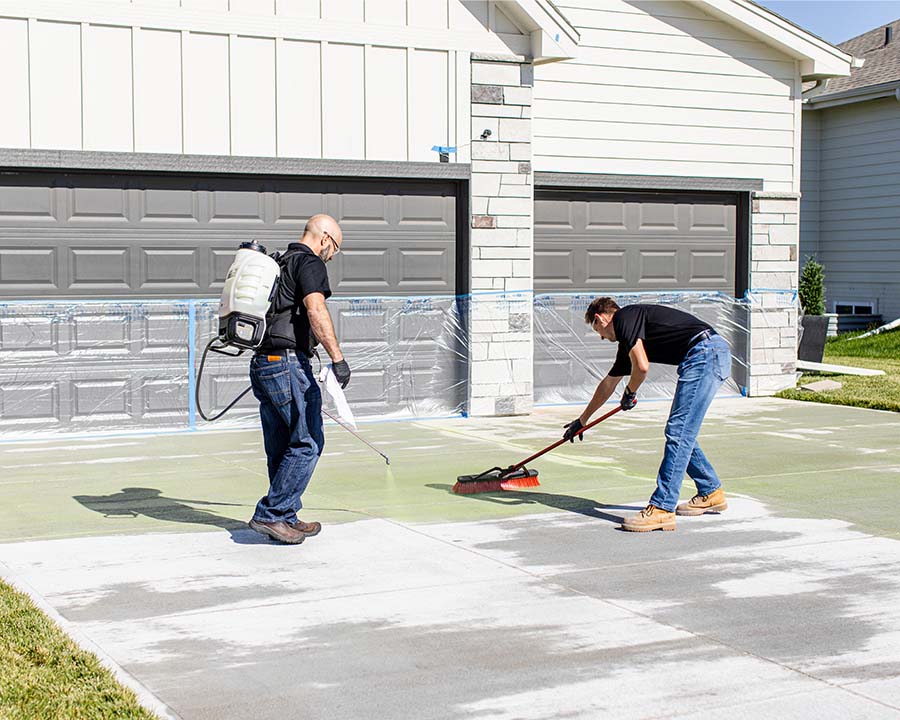
A sinking driveway is repaired by restoring the support beneath the concrete—not replacing the slab itself. Legacy Supportworks uses a complete concrete repair system that lifts and stabilizes settled slabs while helping protect them from future damage. Using PolyLevel® concrete lifting and leveling followed by NexusPro® joint sealant, we restore a safer, more level driveway and help reduce water intrusion that can contribute to future settlement.
  • PolyLevel® Concrete Lifting

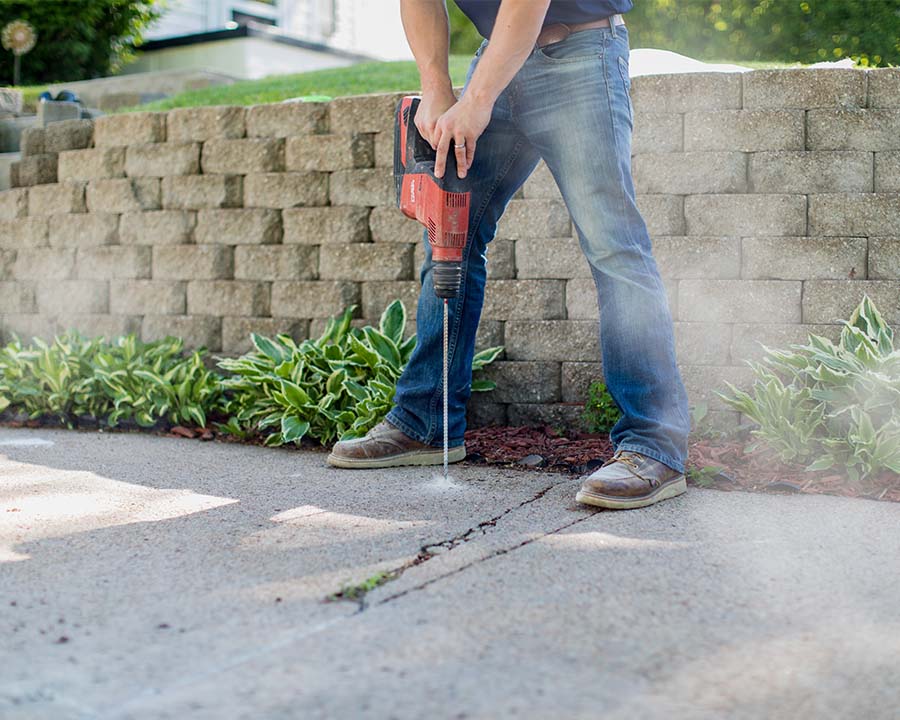
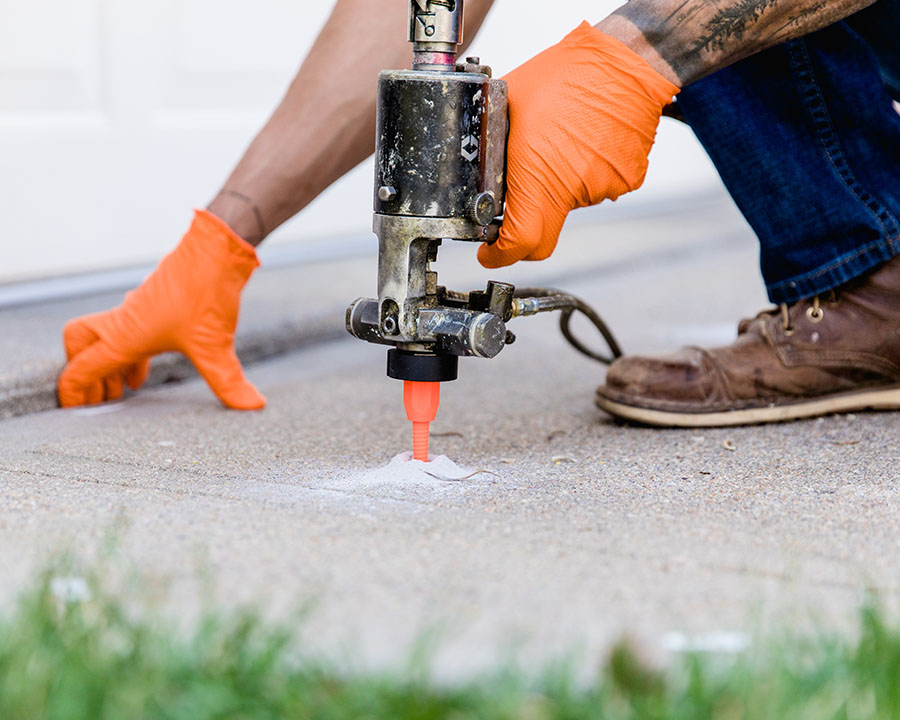
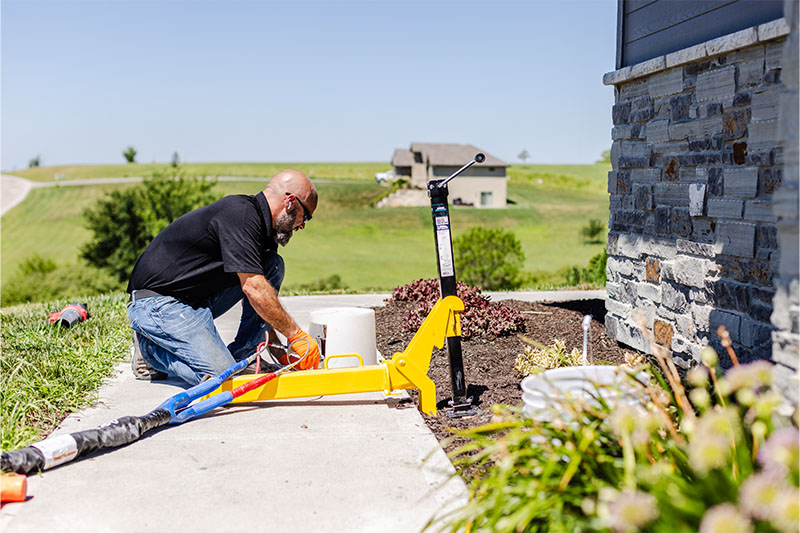
    PolyLevel® expanding polyurethane foam fills voids beneath the slab, strengthens the supporting soil and precisely lifts settled concrete back toward its original position. The repair is minimally invasive, cures quickly and is usually ready for normal use the same day.

  • NexusPro® Joint Sealant

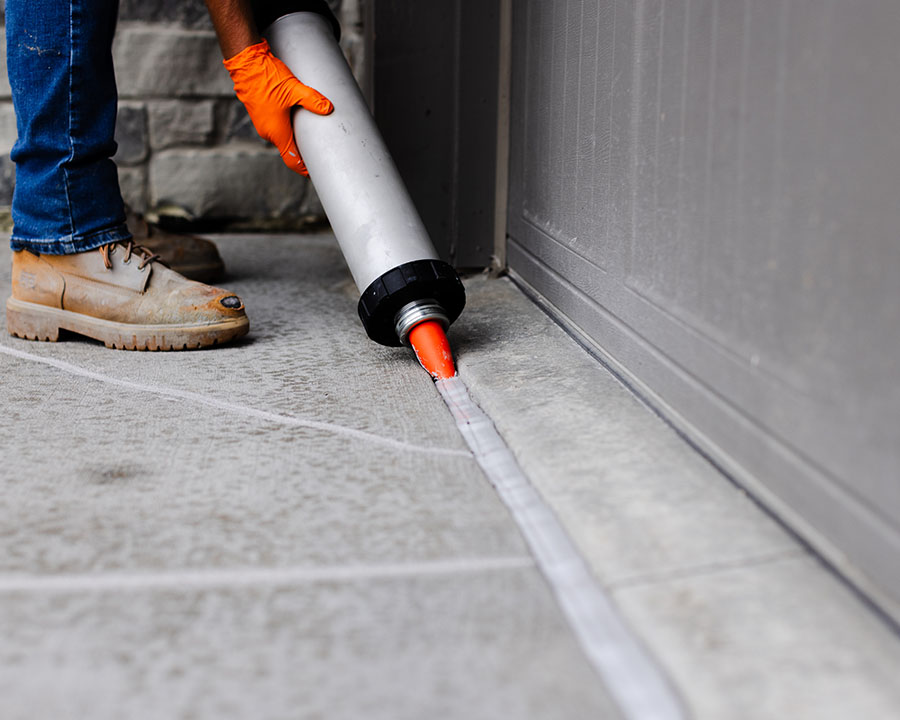
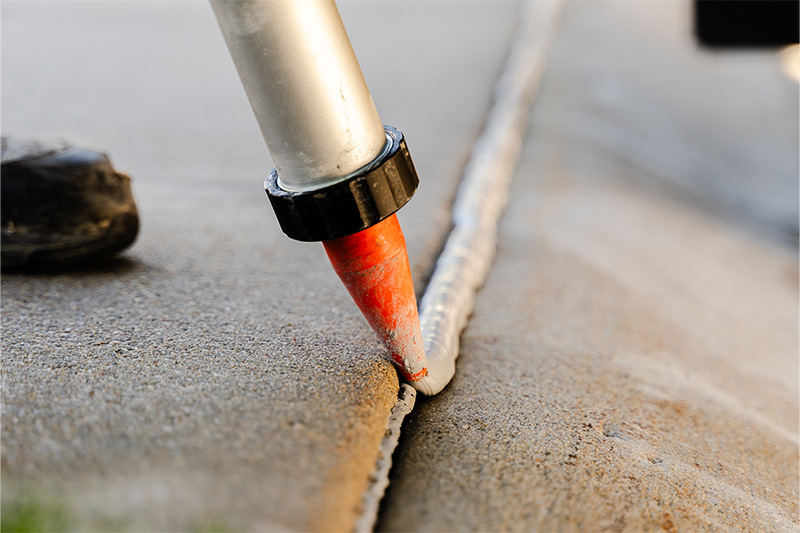
    Once the driveway has been lifted and leveled, NexusPro® Joint Sealant can be used to seal cracks and control joints to help prevent water from reaching the supporting soils below. By reducing water intrusion, NexusPro® helps protect the repair and extend the life of the driveway.

How It Works

Legacy Supportworks' Concrete Repair Process
Benefits

Why Homeowners Trust Legacy Supportworks

Body Copy Specific to Each Dealer

What To Expect

Ready to get started?

Schedule a free estimate to start your journey with Legacy Supportworks.

Schedule your inspection

Fill out our form or give us a call to book your inspection. Share what you’ve noticed so we can send the right expert to your home.

Full home
inspection

An expert will inspect the problem area and surrounding conditions, including soil movement, drainage, structural integrity, and any related concerns.

Clear explanation
of findings

We’ll walk you through what we’re seeing in easy-to-understand language so you know the root cause of the issue, not just the symptoms.

Review recommendations

If repairs are needed, we’ll outline your options, pricing, and timeline so you can make the best decision for your home.

Schedule your free inspection—

It'll only take
a minute

Meet with a trusted expert, and get
clear answers about your home.

"*" indicates required fields

1Your Info
2Schedule Your Inspection
3Review & Submit

Customer Information

Don't just take our word for it

See what our customers have to say about our work.

Before & after photos

Check out before and after photos from some of our completed projects.
  • Stabilizing a Crawlspace in Pampa, TX

    This home had crawlspace beams that were cracking and lacked stabilization. 

    Years of shimming had only been a “band-aid” fix and this customer was looking for a permanent solution.

    Our crew installed steel beams and steel smartjacks on engineered fill.

    The result was a permanently stabilized floor!

  • Concrete Repair in Spearman, TX

    A customer reached out after seeing a video of concrete lifting using injection methods and wondered if it could work for their front porch. Their home, built in 1968, features a large concrete porch with a section that originally had a planter between it and the house. At some point, the planter was covered with concrete, which has since sunk about 4 inches. Both sections measure approximately 8×12. While the porch itself was fine, they wanted a solution to lift the concrete over the old planter rather than starting from scratch. Legacy inspected the situation and provided a tailored solution to restore their home.

  • Foundation Repair in Guymon, Oklahoma

    Just four years after adding a first porch for relaxation, a homeowner in Guymon, OK found himself facing a disheartening problem – his beloved porch had settled a shocking 2 feet into the ground, taking his dreams of peaceful rocking chair afternoons with it. As depicted in our before photo, this alarming sinkage rendered the space unusable. To lift and stabilize the sinking structure, we deployed our trusted Push Pier system, meticulously engineered to provide strength and elevation from deep below the surface. The transformation is apparent in the after photo, where the porch now stands level and secure, promising many future years of comfort and stability. At Legacy Supportworks, reviving your home’s foundation to ensure lifelong enjoyment and safety is not just our mission—it’s our commitment to you.

Our service area

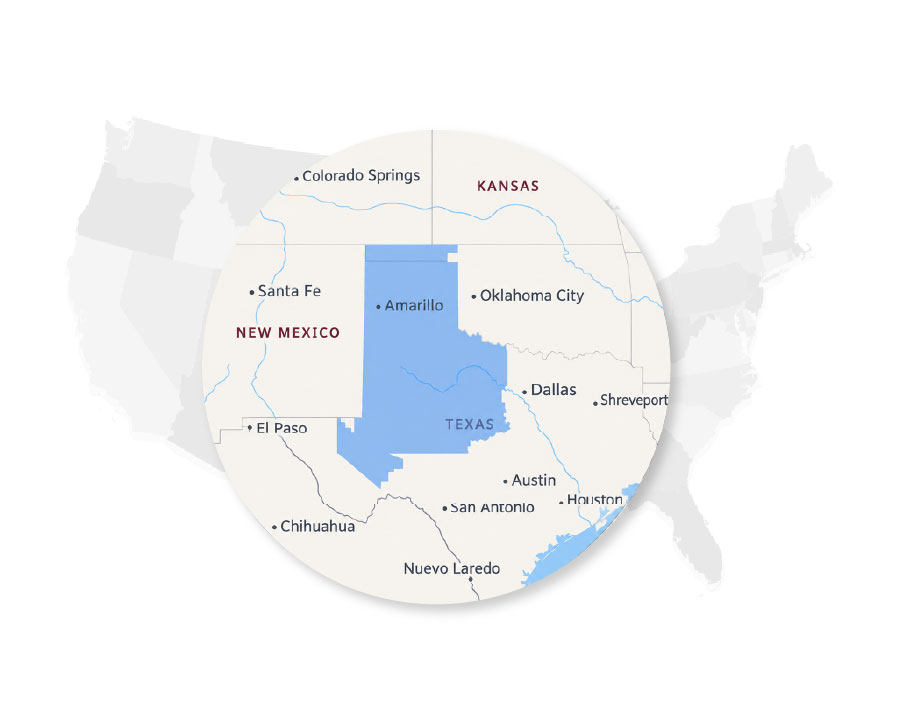
Legacy Supportworks is the local expert for Foundation Repair, Concrete Repair & Concrete Leveling and more. We proudly service Lubbock, San Angelo, and all of West Texas & Cimarron County, OK.

Frequently Asked Questions

Is concrete lifting cheaper than replacement? 2026-10-02T12:20:23-05:00

Concrete lifting is often less expensive than full driveway replacement when the existing slabs are still in repairable condition. It usually requires less labor, fewer materials and less time while avoiding demolition and removal of the old concrete. The most cost-effective option depends on the driveway’s condition, so an inspection is needed for an accurate recommendation. 

How long does driveway leveling take to complete? 2026-10-02T12:19:32-05:00

Most driveway lifting and concrete leveling projects can be finished in just a few hours, depending on the number and size of slabs being repaired. Since PolyLevel® cures quickly, the driveway is usually ready for normal vehicle traffic the same day. Your concrete repair specialist will walk through the expected timeline before work begins. 

How long does driveway lifting last? 2026-10-02T12:19:08-05:00

When the underlying cause of settlement is properly addressed, PolyLevel® provides a long-lasting repair designed to support the concrete for years to come. The long-term performance of any driveway repair also depends on things like drainage, soil conditions and the condition of the concrete itself. A professional inspection and tailored concrete leveling plan help ensure the best possible long-term results. 

Is a sinking driveway a safety risk? 2026-10-02T12:18:41-05:00

A sunken or uneven driveway can produce raised edges and abrupt transitions that create trip hazards and may damage vehicles or snow-removal equipment. Low areas can also collect water or channel runoff toward the garage and foundation. Because settlement tends to continue, having the driveway evaluated before the height differences and cracking worsen is the smart move. 

Is it possible to repair a sinking driveway without replacing it? 2026-10-02T12:18:13-05:00

In most cases, yes. When the concrete is still structurally sound, driveway lifting can usually restore the slab without full replacement. PolyLevel® is injected through small penetrations in the concrete to fill voids, firm up the soil below and lift the slab toward a more level position. An inspection determines whether lifting or replacement is the better option. 

Why does a driveway sink? 2026-10-02T12:17:42-05:00

A driveway generally sinks when the soil under the concrete stops providing even support. Poorly compacted fill, soil erosion, drainage problems, natural settlement, expansive soils and freeze-thaw cycles can create voids or shifting conditions beneath the slab. Heavy vehicles may speed up that movement when the supporting soil is already weak or unstable. 

Related pages

Service Areas

Legacy Supportworks proudly serves Lubbock, San Angelo, and all of West Texas & Cimarron County, OK.

Resources

Access valuable resources to help keep your home healthy and your family safe.

The Thrasher Promise

At Thrasher, we pride ourselves on providing permanent solutions, and stand behind our work with industry-leading, fully transferable warranties and guarantees.

Schedule your free inspection today

Don’t let unanswered questions about your
home worry you any longer.
Go to Top