Foundation Cracks2026-10-20T13:26:55-05:00

Foundation Crack Repair: Types, Causes & Permanent Solutions

Most foundation cracks are repairable, and not every crack is a sign of serious structural problems. The key is understanding the kind of crack you're dealing with. While some cracks are surface-level, others point to foundation movement that should be professionally evaluated. Legacy Supportworks pinpoints the cause and recommends the right long-term repair to help protect your home.

Symptoms

Signs You Shouldn't Ignore

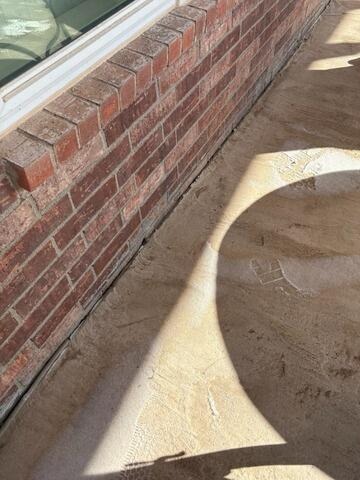
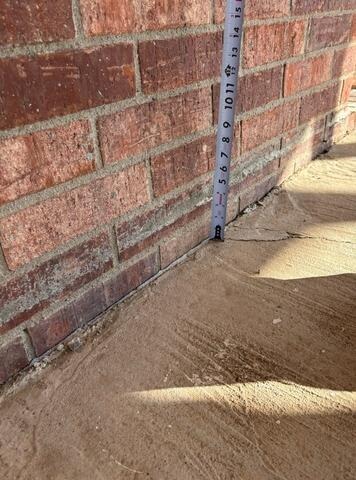
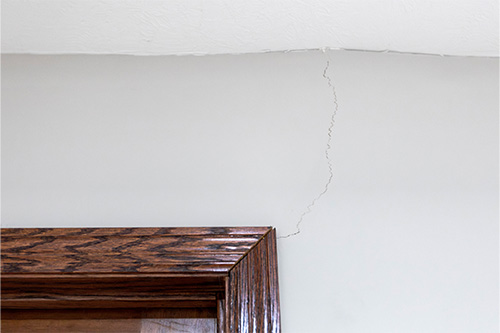
Foundation cracks can be harmless, but a few signal structural movement. Cracks warrant closer attention if they're wider than ¼ inch, run horizontally, continue to widen, leak water or appear alongside other foundation problems like sticking doors, sloping floors or a leaning chimney.

As a general rule, hairline, vertical cracks that stay unchanged are often cosmetic, while horizontal, widening, leaking or growing cracks call for a professional evaluation. If you're unsure which type you have, a professional inspection is the best way to determine whether repair is needed.
Causes

What Causes Foundation Cracks?

Foundation cracks form for many different reasons. Some are a normal part of concrete curing and aging, while others stem from foundation movement or pressure around your home. Knowing what's causing the crack is the first step toward determining whether it's cosmetic or requires structural repair.

  • Normal Curing & Concrete Shrinkage

    As concrete cures, it shrinks slightly. This process can create small hairline or vertical foundation cracks that are often cosmetic and don’t affect the structural integrity of your home.

    These cracks usually appear within the first few years after construction and typically stay narrow and stable over time. While they’re often harmless, sealing them can help prevent water intrusion and keep them from turning into larger problems.

  • Foundation Settlement

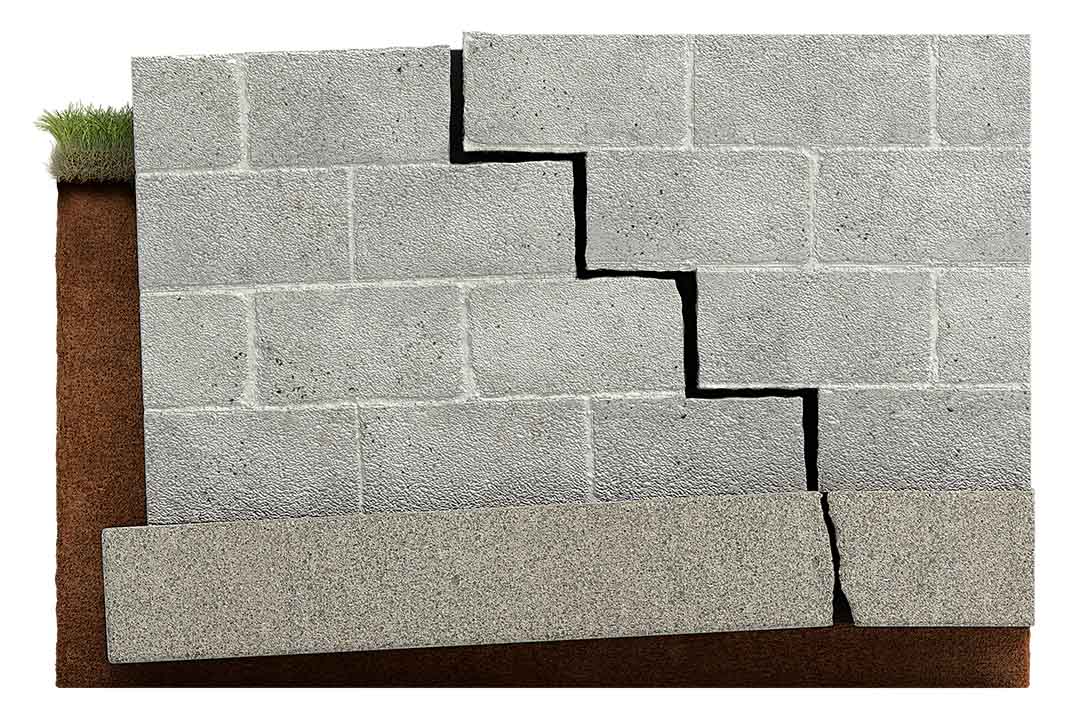
    When the soil beneath your home moves or settles unevenly, different parts of the foundation can shift at different rates. This movement often creates vertical, diagonal or stair-step cracks that may point to foundation settlement.

    Settlement can occur because of varying moisture conditions, poorly compacted soil, erosion or other site conditions. If settlement continues, cracks may widen and more symptoms such as sticking doors, uneven floors or gaps around windows can develop.

  • Hydrostatic Pressure 

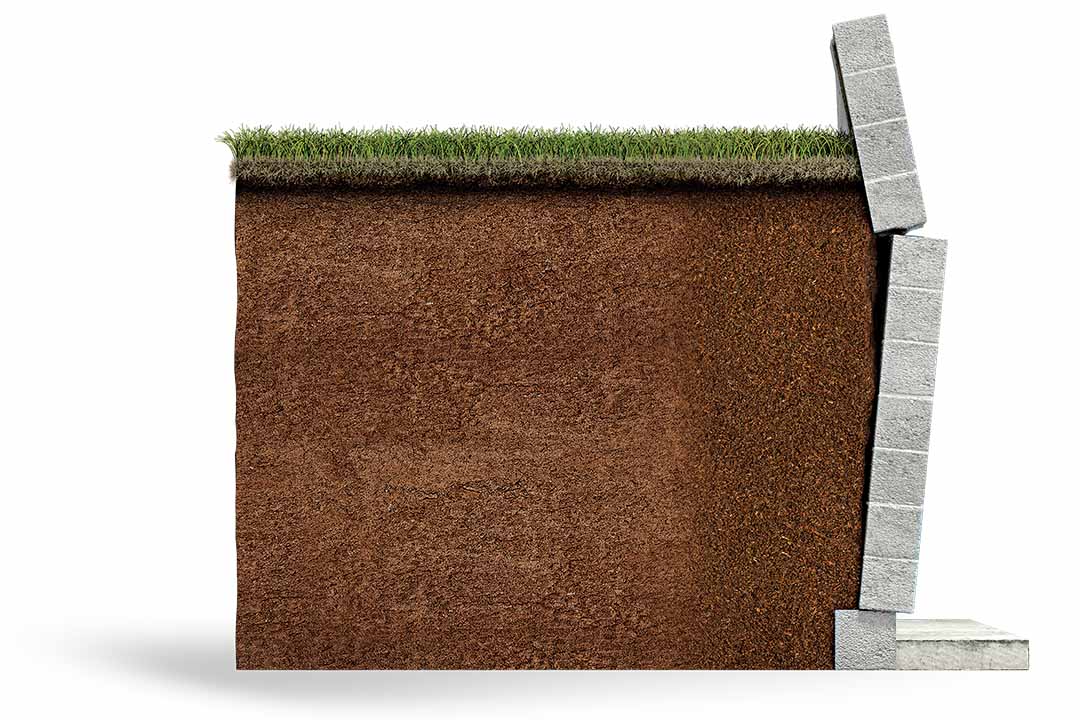
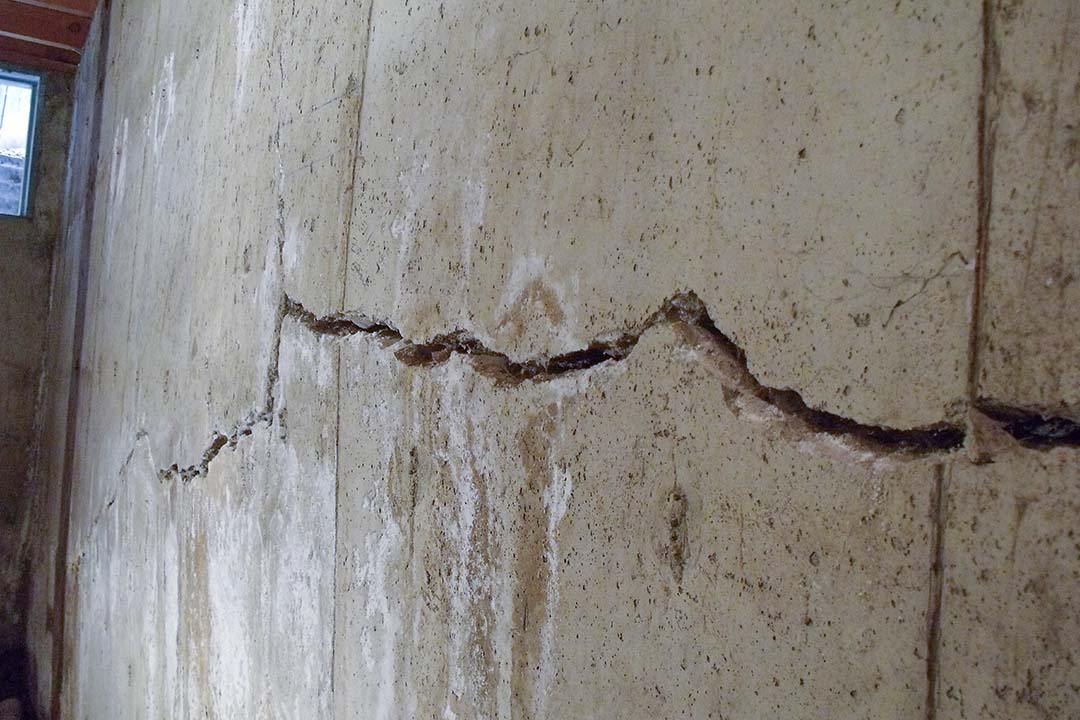
    When water collects in the soil surrounding your foundation, it creates hydrostatic pressure against basement walls. Over time, this pressure can cause cracks, inward bowing or other structural movement.

    Hydrostatic pressure is especially common after heavy rainfall or where drainage is poor. Because waterlogged soil becomes much heavier than dry soil, it places sustained pressure on foundation walls. Correcting drainage and stabilizing the wall can help prevent additional movement.

  • Expansive Soil & Seasonal Soil Movement

    Many soils expand with moisture and shrink as they dry. Combined with seasonal temperature changes and freeze-thaw cycles in colder climates, this ongoing movement places repeated strain on foundations.

    Over time, expanding and contracting soil can lead to foundation settlement, wall cracks and slab movement. Homes in areas with expansive clay soils or frequent seasonal moisture swings are at higher risk of this type of foundation damage.

Why Foundation Cracks Deserve Attention

Foundation cracks almost never resolve on their own. While many begin as minor cosmetic cracks, structural cracks can continue to widen as soil movement and foundation settlement continue. Tackling problems early often prevents added damage and more extensive repairs later.
  • Ignoring foundation cracks may lead to:

    • Cracks that grow wider and longer
    • Water intrusion and basement moisture issues
    • Foundation walls that bow or shift
    • Continued foundation settlement and structural movement
    • Larger and more expensive repairs down the road

    The sooner foundation cracks are professionally evaluated, the easier it is to pinpoint the underlying cause and recommend the right repair before the damage worsens.

Foundation Crack Repair Solutions

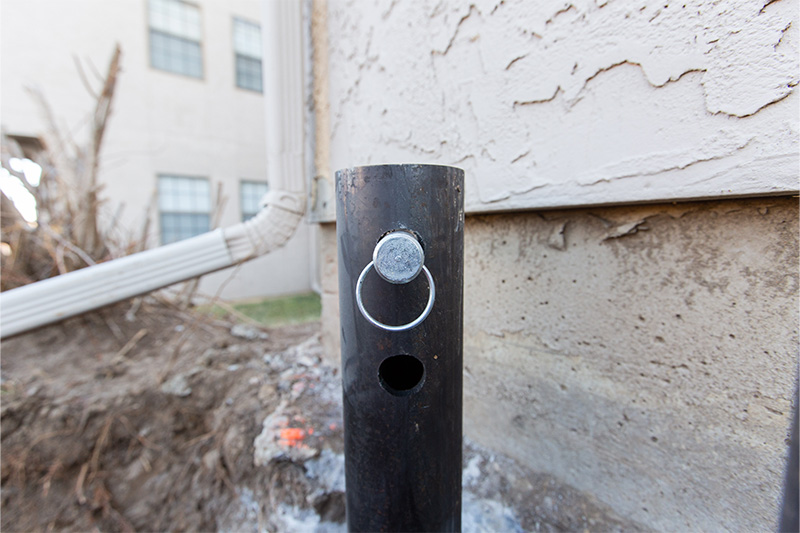
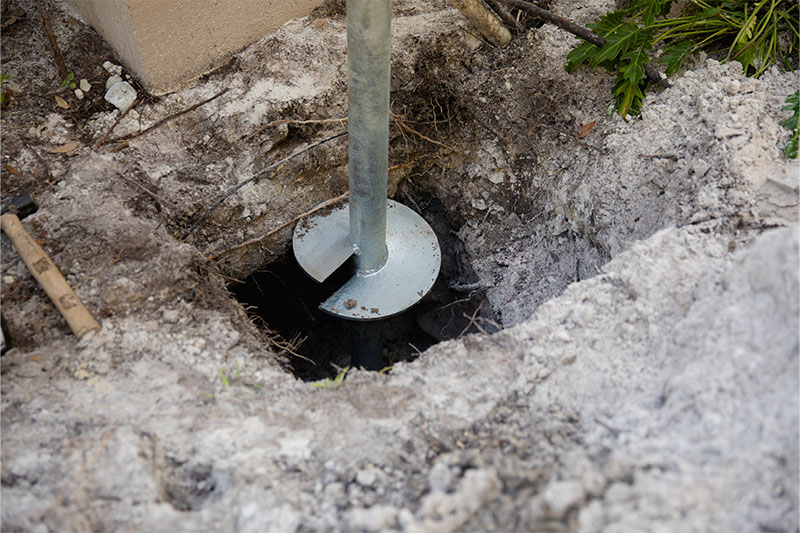
Every foundation crack has an underlying cause, and lasting repairs begin with identifying it. Some cracks come from foundation settlement, while others are caused by soil pressure or structural movement. After a comprehensive inspection, we'll recommend the right solution to stabilize your home and help prevent more cracking, not just address the visible symptoms.
How It Works

How We Repair Foundation Cracks

Benefits

Why Homeowners Choose Legacy Supportworks

Body Copy Specific to Each Dealer

What To Expect

Ready to get started?

Schedule a free estimate to start your journey with Legacy Supportworks.

Schedule your inspection

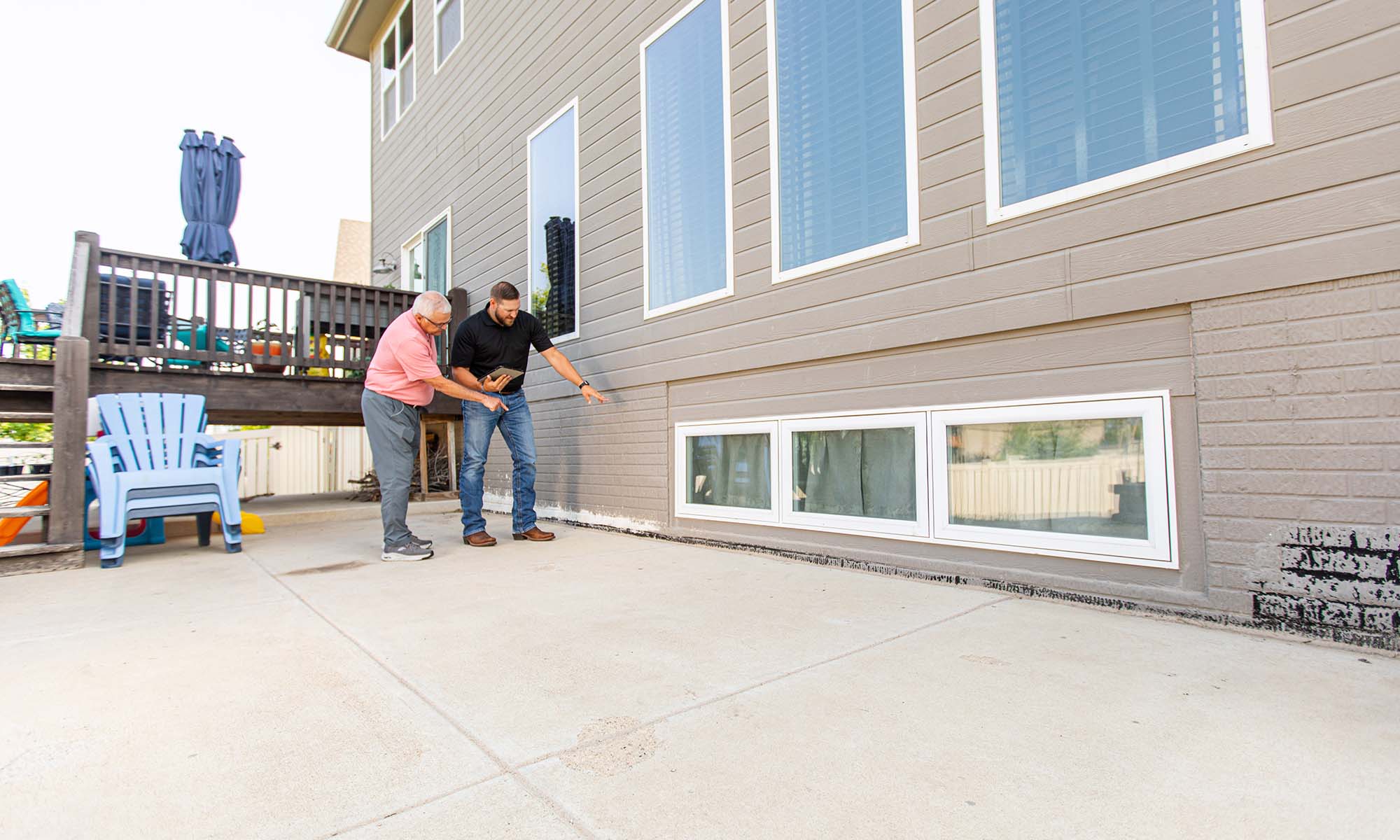
Fill out our form or give us a call to book your inspection. Share what you’ve noticed so we can send the right expert to your home.

Full home
inspection

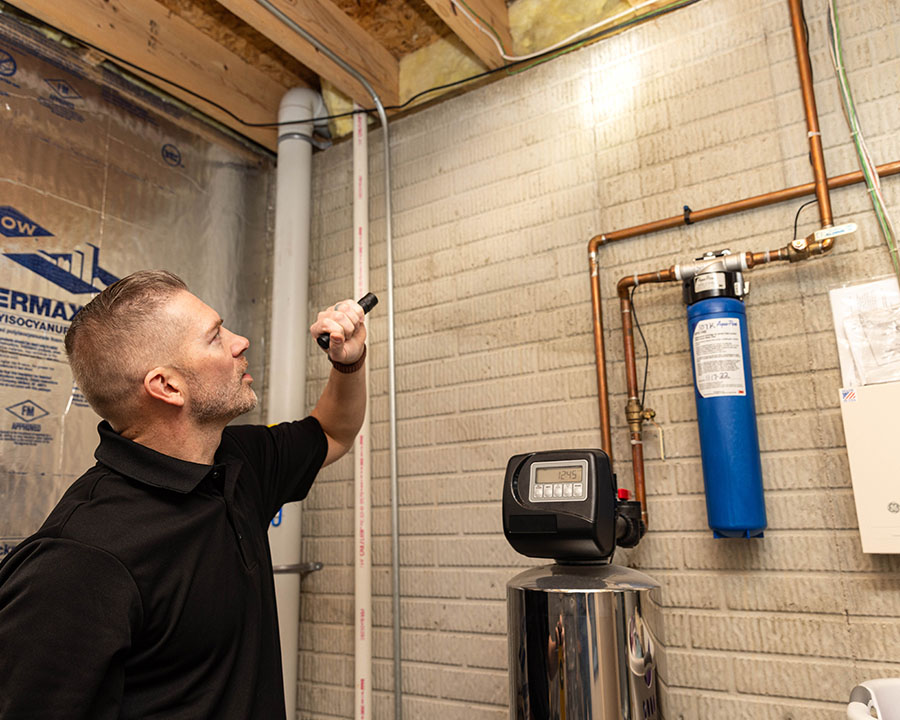
An expert will inspect the problem area and surrounding conditions, including soil movement, drainage, structural integrity, and any related concerns.

Clear explanation
of findings

We’ll walk you through what we’re seeing in easy-to-understand language so you know the root cause of the issue, not just the symptoms.

Review recommendations

If repairs are needed, we’ll outline your options, pricing, and timeline so you can make the best decision for your home.

Schedule your free inspection—

It'll only take
a minute

Meet with a trusted expert, and get
clear answers about your home.

"*" indicates required fields

1Your Info
2Schedule Your Inspection
3Review & Submit

Customer Information

Don't just take our word for it

See what our customers have to say about our work.

Before & after photos

Check out before and after photos from some of our completed projects.
  • Stabilizing a Crawlspace in Pampa, TX

    This home had crawlspace beams that were cracking and lacked stabilization. 

    Years of shimming had only been a “band-aid” fix and this customer was looking for a permanent solution.

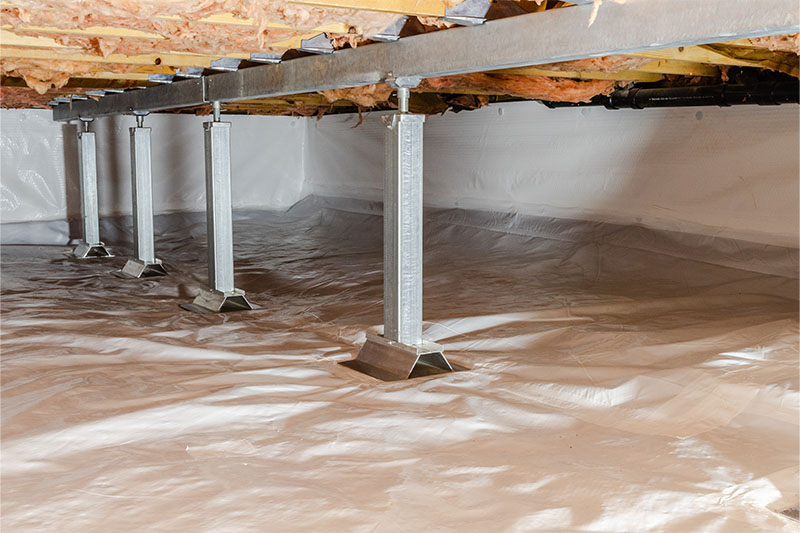
    Our crew installed steel beams and steel smartjacks on engineered fill.

    The result was a permanently stabilized floor!

  • Concrete Repair in Spearman, TX

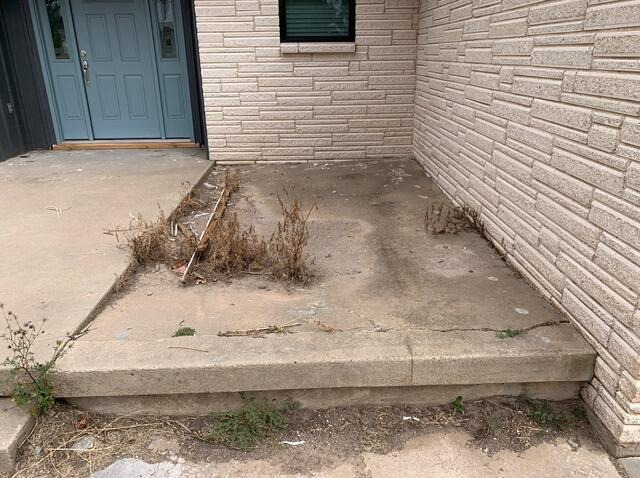
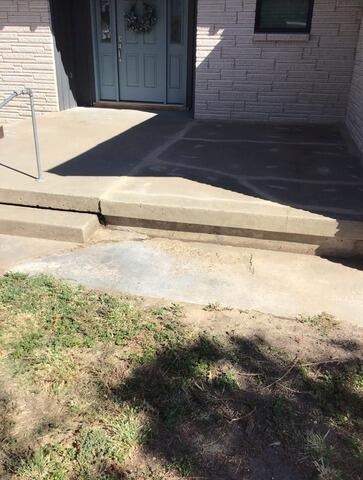
    A customer reached out after seeing a video of concrete lifting using injection methods and wondered if it could work for their front porch. Their home, built in 1968, features a large concrete porch with a section that originally had a planter between it and the house. At some point, the planter was covered with concrete, which has since sunk about 4 inches. Both sections measure approximately 8×12. While the porch itself was fine, they wanted a solution to lift the concrete over the old planter rather than starting from scratch. Legacy inspected the situation and provided a tailored solution to restore their home.

  • Foundation Repair in Guymon, Oklahoma

    Just four years after adding a first porch for relaxation, a homeowner in Guymon, OK found himself facing a disheartening problem – his beloved porch had settled a shocking 2 feet into the ground, taking his dreams of peaceful rocking chair afternoons with it. As depicted in our before photo, this alarming sinkage rendered the space unusable. To lift and stabilize the sinking structure, we deployed our trusted Push Pier system, meticulously engineered to provide strength and elevation from deep below the surface. The transformation is apparent in the after photo, where the porch now stands level and secure, promising many future years of comfort and stability. At Legacy Supportworks, reviving your home’s foundation to ensure lifelong enjoyment and safety is not just our mission—it’s our commitment to you.

Our service area

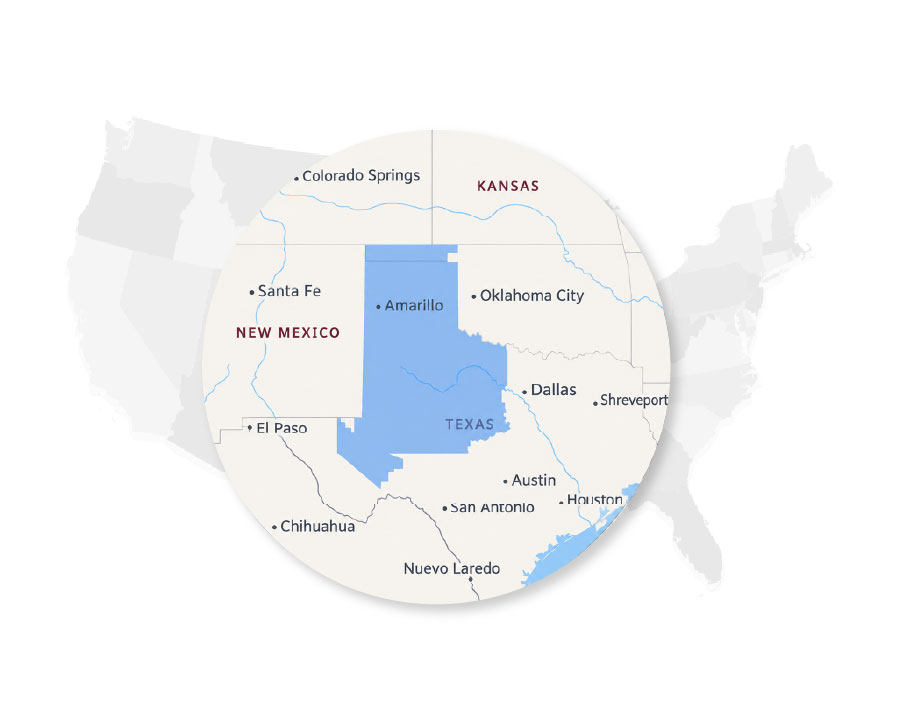
Legacy Supportworks is the local expert for Foundation Repair, Concrete Repair & Concrete Leveling and more. We proudly service Lubbock, San Angelo, and all of West Texas & Cimarron County, OK.

Frequently Asked Questions

Can I repair a foundation crack myself? 2026-09-25T09:51:42-05:00

Small cosmetic cracks may appear easy to patch, but surface repairs don’t get at the root cause. If a crack is growing, leaking or caused by foundation movement, a professional repair helps prevent additional damage and recurring problems. 

Are foundation cracks normal? 2026-09-25T09:50:36-05:00

Foundation cracks can be a normal part of a home’s aging process. Hairline and small vertical cracks typically come from concrete curing or minor settlement. However, horizontal, widening or leaking cracks may suggest structural movement and should be professionally evaluated to see whether repair is necessary. 

How much does foundation crack repair cost? 2026-09-25T09:50:05-05:00

Foundation crack repair costs vary depending on the crack type, its location and whether structural stabilization is needed. Repairs involving foundation settlement or bowing walls are generally more significant than cosmetic repairs. The best way to get an accurate estimate is with a free professional inspection. 

I think there’s water coming through the foundation crack. What should I do? 2026-09-25T09:48:11-05:00

Water entering through a foundation crack shouldn’t be brushed off. While the crack creates a pathway for water, the underlying cause is often hydrostatic pressure or poor drainage around the foundation. Depending on what’s causing the leak, waterproofing or drainage improvements may also be recommended to help prevent future problems. A professional inspection can determine whether the crack, the drainage or both should be addressed to ensure a lasting solution. 

What types of foundation cracks should I be worried about? 2026-09-25T09:47:47-05:00

While some foundation crack types are harmless, some call for prompt attention. Cracks wider than ¼ inch, horizontal cracks, cracks that keep growing, water leaks or cracks accompanied by sticking doors, sloping floors or bowing walls may suggest structural movement. Isolated, vertical hairline cracks are usually cosmetic, but a professional inspection can confirm the cause. 

I have horizontal cracks in my foundation wall. What causes this? 2026-09-25T09:47:22-05:00

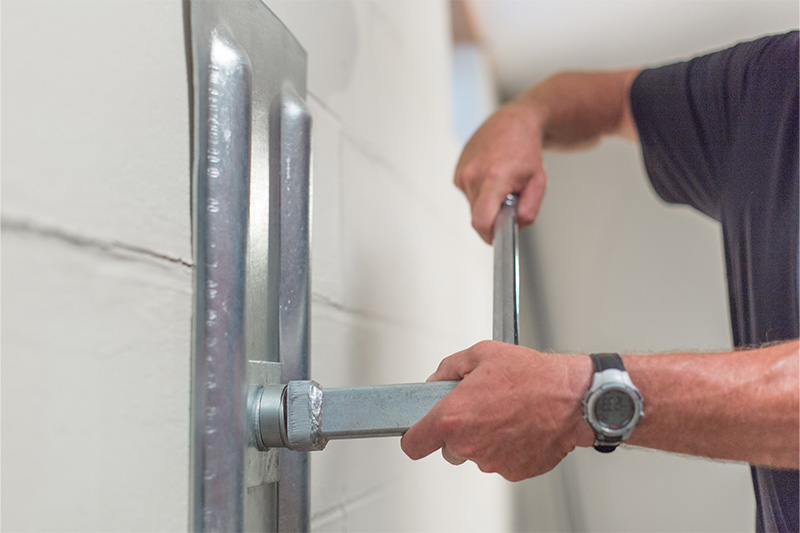
Horizontal foundation cracks are commonly caused by hydrostatic pressure or expanding soil pushing against foundation walls. Unlike many vertical cracks, horizontal cracks frequently indicate structural movement and may require stabilizing the wall. Depending on the severity, repairs may include CarbonArmor®, PowerBrace®, GeoLock® Wall Anchors or EverBrace®. 

I have vertical cracks in my foundation wall. What causes this? 2026-09-25T09:46:58-05:00

Vertical foundation cracks are frequently caused by normal concrete shrinkage or minor settlement and aren’t always structural. However, some may point to ongoing movement or allow water to enter your basement. A professional inspection can determine whether the crack is cosmetic or whether the underlying foundation issue should be addressed. 

Related pages

Service Areas

Legacy Supportworks proudly serves Lubbock, San Angelo, and all of West Texas & Cimarron County, OK.

Resources

Access valuable resources to help keep your home healthy and your family safe.

The Thrasher Promise

At Thrasher, we pride ourselves on providing permanent solutions, and stand behind our work with industry-leading, fully transferable warranties and guarantees.

Schedule your free inspection today

Don’t let unanswered questions about your
home worry you any longer.
Go to Top